
Negotiations between the United States and Iran commenced on Saturday, following a temporary ceasefire that brought both nations to discussions in Pakistan. Iran’s state news agency noted that these three-party talks, involving the US, Iran, and Pakistan, were initiated after a decrease in Israeli attacks on southern Lebanon, alongside the fulfilment of certain Iranian prerequisites.
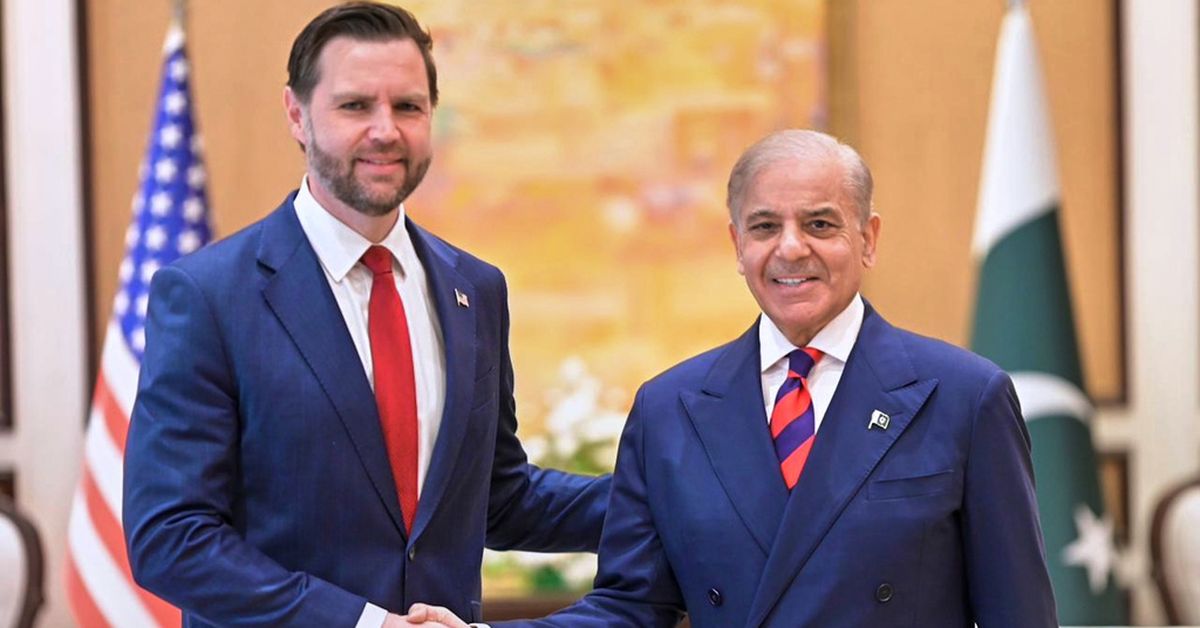
While the US did not immediately acknowledge the talks, they came after separate meetings between US and Iranian officials with Pakistan’s Prime Minister, Shehbaz Sharif. A delegation led by US Vice President JD Vance and another from Iran headed by Parliament Speaker Mohammad Bagher Qalibaf convened in Islamabad to strategise on upholding the fragile ceasefire amidst persisting tensions and conflicts in Lebanon.
Iran reiterated components of its earlier proposal, which it presented as non-negotiable terms during discussions with Sharif. Concurrently, Israel intensified its military operations in Lebanon, conducting strikes that reportedly resulted in casualties, further complicating the ceasefire discussions.
The war’s toll has been severe, with thousands dead across Iran, Lebanon, Israel, and the Gulf Arab states. It has disrupted the Persian Gulf’s economic ties, propelling energy prices upward and damaging infrastructure throughout the region.
Residents in Tehran expressed a mix of scepticism and hope regarding the negotiations, acknowledging the extensive damage their country has suffered. Yet, there is a prevailing sense that rebuilding will entail a long and arduous process.
As the meetings unfolded, both US and Iranian officials commenced the talks with posturing, asserting their demands. President Donald Trump publicly declared that Iran had few bargaining chips, insinuating that their current negotiation opportunity stemmed solely from their precarious situation.
On the ground in Islamabad, heightened security measures rendered the city eerily quiet, with officials heavily restricting movement as the talks took place. Vance conveyed optimism about the discussions, albeit with a warning to Iran against any attempts to manipulate the situation.
Iran’s Foreign Minister, Abbas Araghchi, expressed deep mistrust towards the US, attributing it to past aggressions. He cautioned that Iran would respond to any renewed attacks.
Ahead of the discussions, both countries presented contrasting proposals. Iran’s 10-point plan calls for a cessation of hostilities, economic sanctions relief, control over the Strait of Hormuz, and halting Israeli operations against allied forces, particularly Hezbollah. The US countered with a 15-point proposal focusing on restricting Iran’s nuclear ambitions and reopening critical maritime routes.
Further negotiations are anticipated between Israel and Lebanon in Washington, aimed at addressing the disarmament of Hezbollah, as tensions concerning the role of the militant group continue to fuel discord.
The situation remains precarious, especially with the vital Strait of Hormuz under discussion as a strategic leverage point, essential for global oil trade but adversely affected by the current conflict.