
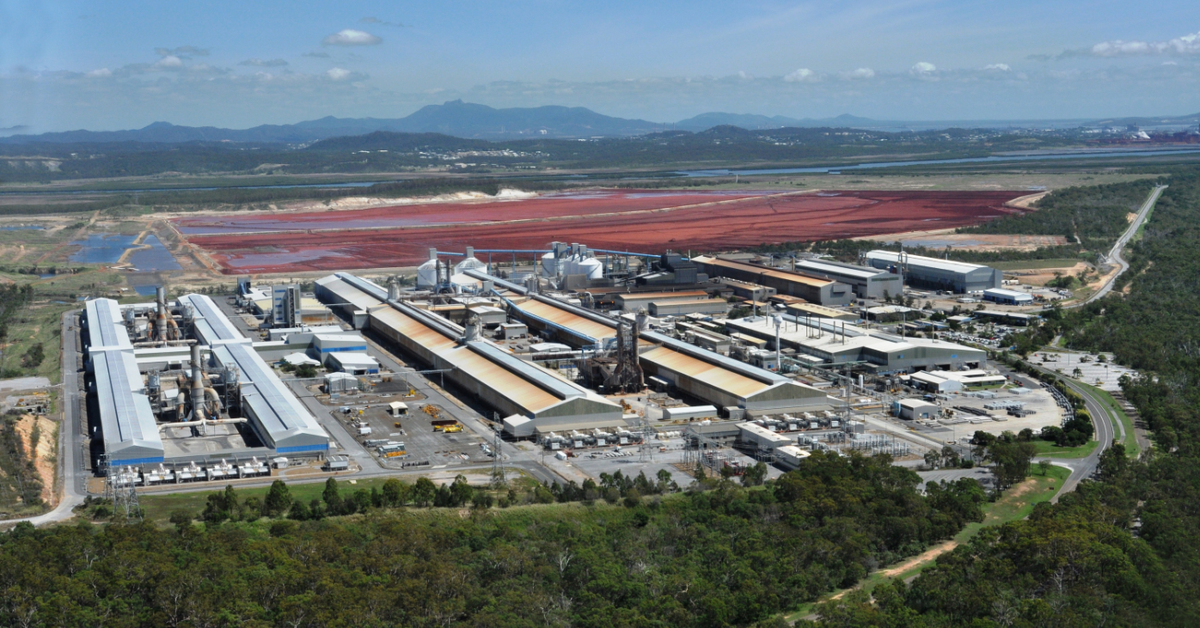
Rio Tinto has received a substantial $2 billion package from Australian taxpayers to sustain the Boyne aluminium smelter in central Queensland, aiming to protect 3,000 jobs and bolster local manufacturing. This announcement came from Industry Minister Tim Ayres, who confirmed that the federal and Queensland state governments will share the funding over a decade.
In exchange for this support, Rio Tinto is committed to investing approximately $7.5 billion into renewable energy and storage projects in the state, ensuring that the smelter remains operational until at least 2040. Ayres stated, “With a considerable public investment, we are catalysing a fourfold private investment which will enhance the renewable energy grid and secure valuable regional employment.”
At present, the Boyne smelter employs around 1,000 people directly, with the plant’s operations underpinning a further 2,000 jobs in Gladstone. This deal comes as part of a broader strategy, with this being the fifth rescue package announced by the federal government since last year for the metal processing sector, which has faced challenges due to rising electricity costs.
The smelter’s current power contract is set to expire in 2029, but the new agreement will facilitate a shift towards renewable energy sources. “As fossil fuels grow more expensive, this investment will allow Boyne to become one of the first aluminium smelters powered by solar and wind,” stated Jerome Pecresse, the CEO of Rio Tinto’s aluminium and lithium division, adding that this will sustain heavy manufacturing in Gladstone in the long run.
This initiative forms part of the government’s intent to strengthen Australia’s industrial capabilities amidst a volatile global landscape. Ayres emphasised the importance of taking proactive steps, stating, “This investment is about building our industrial capability and ensuring we are prepared for the future.” He also noted that it represents a significant enhancement to job security and Australian economic resilience.
In summary, this substantial funding package not only aims to protect existing jobs but also aligns with national goals of transitioning to renewable energy and fortifying the manufacturing sector in Australia.