
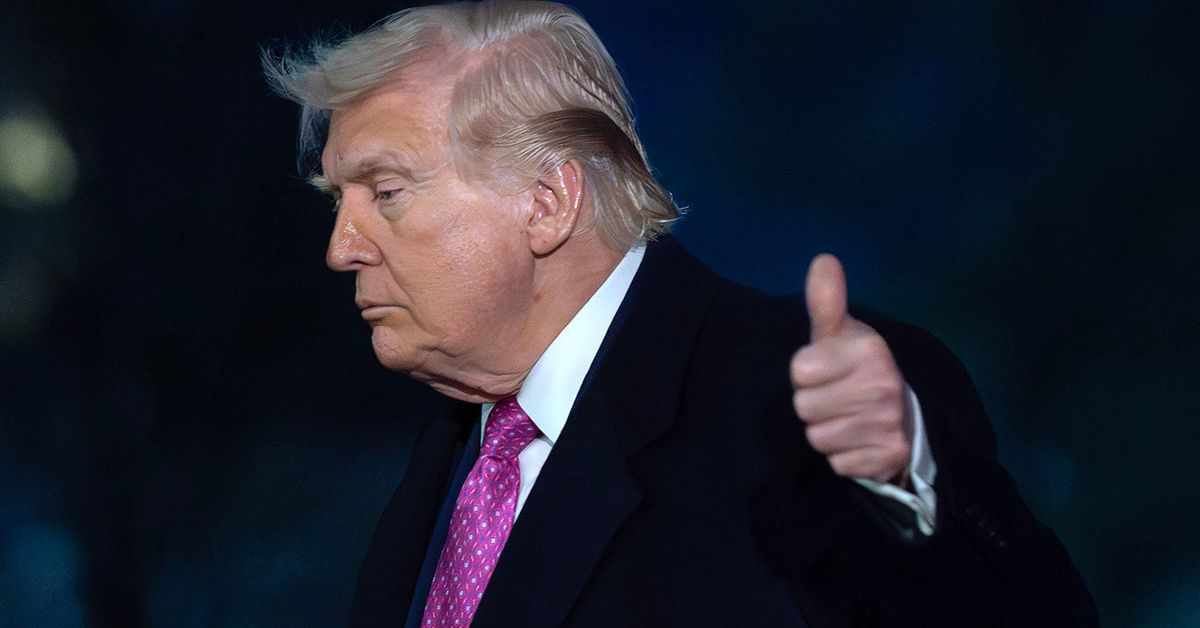
Recent weeks have seen market optimism largely driven by Donald Trump’s hints at potentially ending military hostilities with Iran. Despite a history of backing down under pressure—leading Wall Street to coin the term “Trump Always Chickens Out” (TACO)—the situation with Iran is more complex.
On social media, Trump stated that the U.S. is in serious discussions with Iran’s parliamentary speaker, Mohammad Baghar Ghalibaf, regarding a cessation of military operations. However, Ghalibaf dismissed these assertions, accusing the U.S. of spreading misinformation while simultaneously making threats. He indicated that such claims are misleading, suggesting investors should consider the opposite of what Trump asserts—a sentiment he termed a “reverse indicator”.
Despite Ghalibaf’s warning, Wall Street reacted positively to Trump’s remarks, with the Dow Jones experiencing a notable rise. This contradictory response highlights the ongoing, tense atmosphere surrounding U.S.-Iran relations, as investors weigh Trump’s optimism against Iran’s unwavering stance on its regional policies.
In light of potential TACO moments from Trump, Deutsche Bank has developed a “stress index” to assist investors in predicting strategic adjustments by the government. The index is designed to measure when it may be prudent to enter the market based on various economic pressures.
However, should Trump pursue a withdrawal from conflict in Iran, peace in the region remains uncertain. Tensions still simmer, particularly in key shipping zones like the Strait of Hormuz, where Iranian regulations may impose substantial fees on passing tankers.
In conclusion, while Trump’s comments may spark brief market enthusiasm, the complexities of international relations and the unpredictable nature of both Trump and Iran’s responses mean that sustained stability is not guaranteed.