
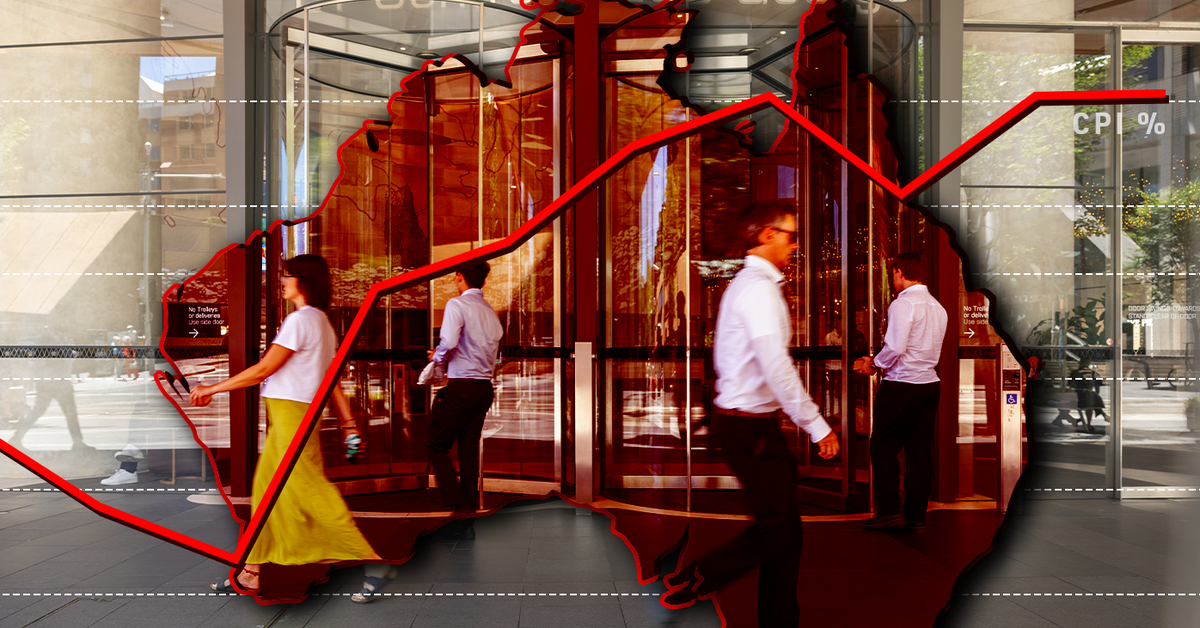
Economists are raising alarms that Australia may be heading towards a recession, particularly if the conflict with Iran continues beyond mid-2026. Concerns centre around the potential for rising unemployment, which could breach 6%, marking the country’s first financial downturn since the COVID-19 pandemic. John Kehoe, the Economic Editor for the Australian Financial Review, highlights that the prolonged nature of the conflict could severely impact Australia’s economic landscape. As long as commercial vessels remain blocked from the strategic Strait of Hormuz—crucial for oil flow—the risk intensifies significantly.
Kehoe warns that ramifications from the ongoing war could extend beyond Australia, affecting global economic stability, local job markets, and inflation rates. The urgency for a resolution is apparent; the longer the situation persists without progress, the more pronounced the economic consequences will be.
Despite these warnings, Australian Treasurer Jim Chalmers remains optimistic, dismissing the idea of imminent recession while claiming that the country can withstand the ongoing geopolitical tensions. He acknowledges, however, that the effects of the crisis from the Middle East will be felt for a significant period and is actively considering these factors in the upcoming budget preparation.
The Reserve Bank of Australia (RBA) echoes concerns about inflation possibly necessitating tough economic measures, hinting that a recession may, paradoxically, be a necessary outcome to bring inflation levels down. RBA Governor Michele Bullock suggests that if inflation persists, the economic climate could lead to undesirable but unavoidable choices.
As the situation unfolds, many are keenly awaiting any developments that could open the Strait of Hormuz, as the timeframe narrows. The intersection of global conflict and local economy has created a patchwork of uncertainty, making vigilant monitoring of economic indicators crucial.