
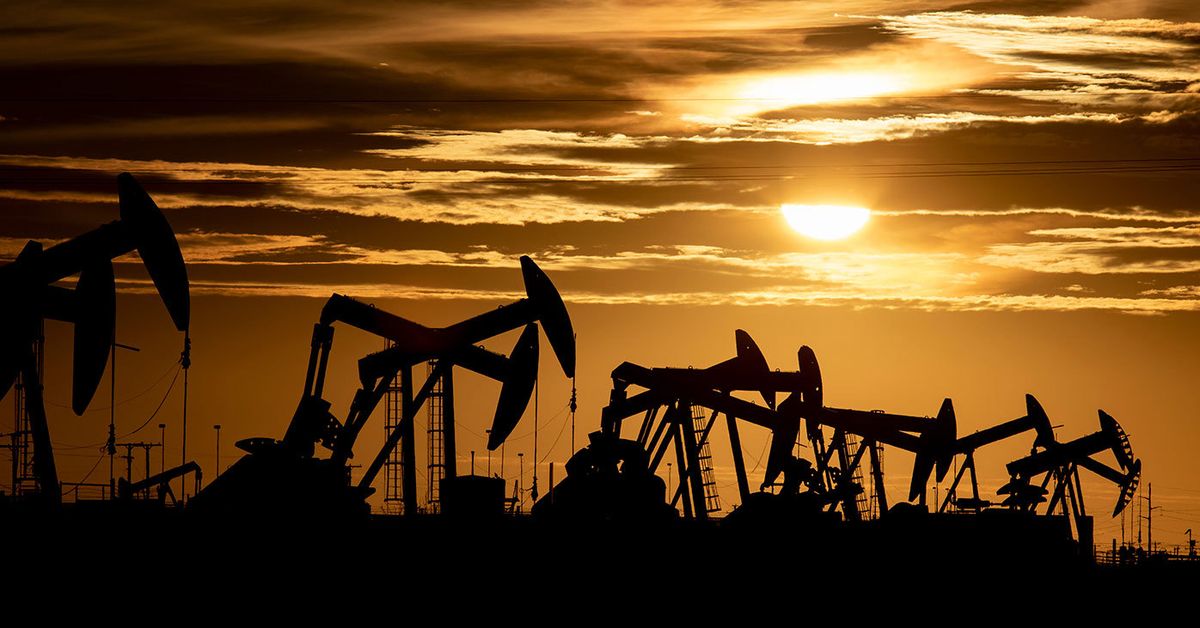
Both nations have negotiated a two-week ceasefire to facilitate maritime traffic through the Strait of Hormuz, a deal facilitated by Pakistan. Following the announcement, there was a significant drop in oil futures: US crude oil fell by 14.7%, trading at $96.27 a barrel, while Brent crude, the global oil benchmark, decreased by approximately 14.4% to $93.48. Despite this reduction, prices remain higher than pre-conflict levels, offering some relief to motorists facing escalating fuel costs.
In Australia, the stock market reacted positively, with the ASX opening 2.7% up at 8,965.1 after closing the previous day at 8,728.8. The Australian dollar also saw an increase of over 2% against the US dollar, reaching US71c, while gold prices surged by 2.4% to $4,818 an ounce. Eight of the eleven sectors within the market posted gains, although the energy and utilities sectors remain subdued. Asian markets followed suit, with Japan’s Nikkei rising by 4.5% and South Korea’s Kospi climbing by 6.1%.
Initially, there was negative sentiment in the markets as oil prices had risen amid fears of escalated conflicts and uncertainty about US military actions against Iran. However, the situation shifted after the US President announced a decision to delay military action, citing conversations with Pakistan’s leadership. He stated that the bombing and attacks on Iran would be suspended for two weeks, contingent on Iran’s agreement to allow safe passage for vessels through the Strait of Hormuz. This declaration indicated a mutual ceasefire.
Iran’s Supreme National Security Council accepted the ceasefire terms and expressed readiness to engage in discussions with the US, enabling ships to pass through the strategic waterway. However, they tempered this acceptance with a warning, emphasising that this does not equate to the end of hostilities. Their statement highlighted their readiness to respond decisively to any perceived aggression from the US, asserting, “Our hands remain upon the trigger, and should the slightest error be committed by the enemy, it shall be met with full force.”
In conclusion, while the ceasefire has led to a temporary easing of market tensions and a positive response in stock exchanges, the underlying issues remain unresolved, and the potential for renewed conflict continues to loom.