
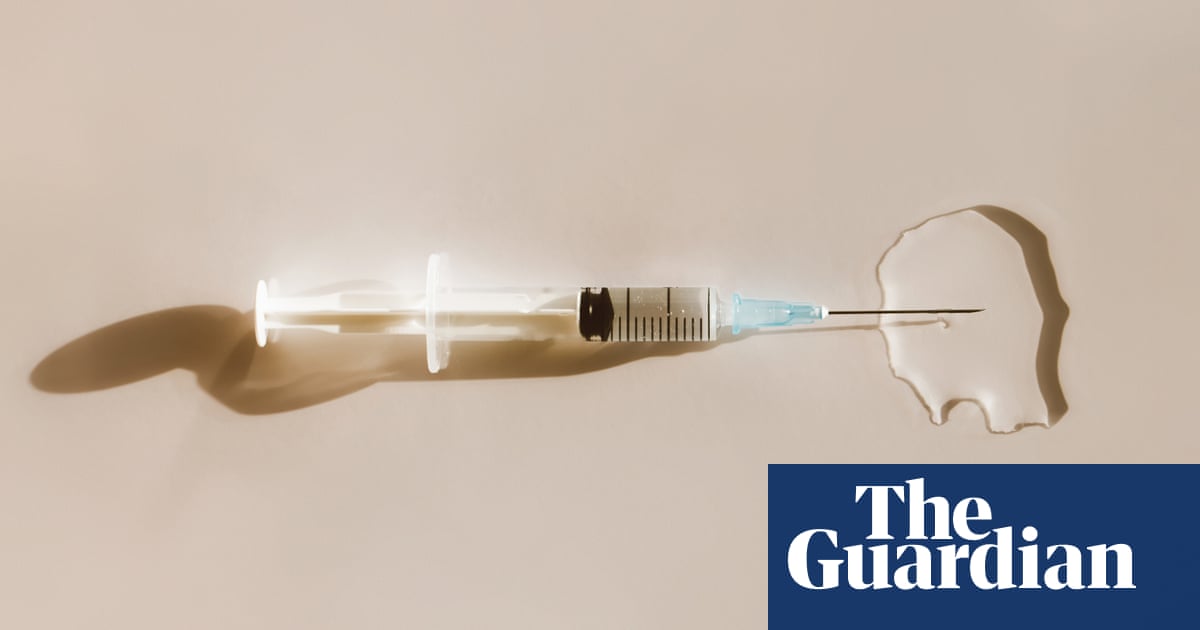
In Sydney, the rise of unauthorised cosmetic injectors poses significant health risks as beauticians with dubious qualifications are offering potentially hazardous anti-wrinkle, filler, and fat-dissolving treatments outside regulated environments. The New South Wales Health Care Complaints Commission (HCCC) is currently investigating at least two individuals for delivering these services unlawfully while promoting their work on social media.
A serious incident in January, where three women required hospitalisation — one in intensive care — after receiving botulinum toxin (commonly known as Botox) at home, prompted urgent warnings from NSW Health. They highlighted the dangers of seeking procedures from unregistered practitioners. The HCCC specifically named Norsafiza Binti Zakaria for allegedly administering injectable substances without any medical oversight.
Despite botulinum toxin being widely used in legitimate cosmetic procedures, its administration is strictly monitored by authorities due to the risks associated with its misapplication. Dr Vivek Eranki, CEO of Cosmetique, emphasised that precise dosing by qualified professionals is essential due to the potent nature of the toxin, which can lead to severe complications, including paralysis or even death. In Australia, most cosmetic injectables fall under Schedule 4 medications, thus necessitating a prescription from qualified medical personnel.
The regulatory landscape surrounding cosmetic treatments is reportedly effective, despite the growing popularity of such services, with Australians spending over $1 billion annually on non-surgical procedures. However, a concerning trend has emerged, as several practitioners operate outside the law, often lured by financial gain. Flynn, a former president of the Australasian College of Cosmetic Surgery and Medicine, noted that an alarming increase in complaints (doubling in the past year) about unauthorised injectors correlates with the advent of social media.
The Therapeutic Goods Administration (TGA) has made attempts to disrupt the illegal importation of unapproved injectables, but inadequate oversight and the prevalence of online scams have made it challenging. Regrettably, many consumers remain unaware they are receiving treatments from unqualified individuals who may possess falsified credentials. The HCCC has even recommended verifying practitioners against the AHPRA database to ensure legitimacy before treatment.
Registered professionals are concerned about the impact of these unqualified injectors on patient safety, with anecdotal evidence suggesting that many clients seeking corrections for botched procedures are turning to qualified practitioners. With cheaper treatments appealing to cost-conscious consumers, the issue of illicit ‘backyard Botox’ practices continues to escalate. Industry experts warn that the combination of high demand and the accessibility of non-legitimate products creates an environment ripe for exploitation and risk.