
The ongoing “diesel squeeze” is starting to have serious repercussions on essential services and daily life in Australia, with five major impacts poised to affect us directly.
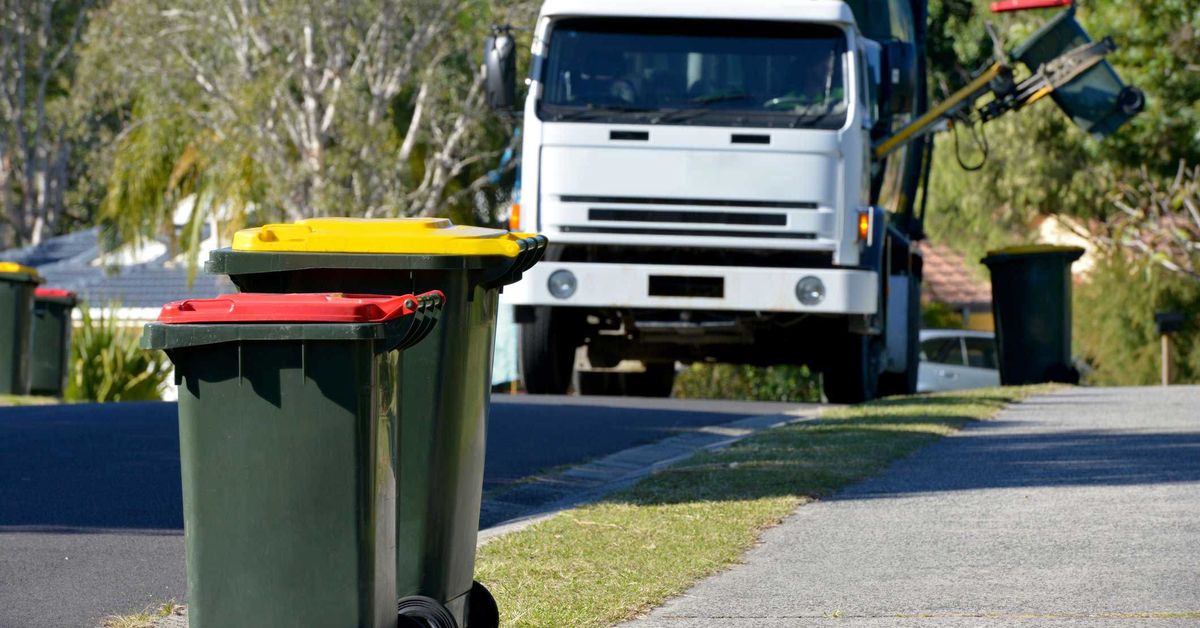
Firstly, waste collection is under significant threat. As highlighted by LGNSW President and Inner West Council Mayor Darcy Byrne, over 50 councils are convening emergency talks to ensure that waste services don’t cease due to fuel shortages. Many councils, especially in regional areas, rely on independent fuel retailers facing dwindling supplies. With only a few weeks of backup diesel available, rubbish piling up could soon become a public health crisis unless fuel supplies are guaranteed.
In addition to waste collection issues, the rising cost of diesel is expected to influence food prices. Australia’s food delivery model, reliant on heavy diesel-powered transport, could see prices spike in supermarkets as farmers struggle with high fuel costs for harvesters. Experts warns that these costs could compromise food security and domestic logistics, pushing food prices even higher.
Moreover, the “diesel squeeze” might lead to increased mortgage rates as it fuels a broader cost-push inflation. The Reserve Bank of Australia may feel compelled to raise interest rates to counteract inflation, causing monthly repayments to rise. Financial forecasts indicate potential increases in rate hikes due to ongoing global tensions and their implications on oil prices, despite the government’s temporary measures to ease diesel costs.
The construction industry is also feeling the pressure, with rising diesel prices exacerbating operational costs. Builders report significant increases in the costs of materials and plant hire, making it financially challenging to continue projects. The risk of builders going insolvent rises as these expenses cannot be passed onto customers in fixed-price contracts.
Lastly, the crisis is beginning to affect cultural practices such as road trips and family vacations. High fuel prices have led to many Australians changing or cancelling Easter plans, impacting regional economies reliant on tourism. With data indicating over half of Australians are altering their plans due to cost concerns, tourist-dependent communities might suffer economically if families continue to skip traditional holiday journeys.
In summary, the diesel crisis is reshaping our everyday lives, threatening crucial services, hikes in food prices, and overall economic stability, as well as curtailing popular activities that bind communities together.