
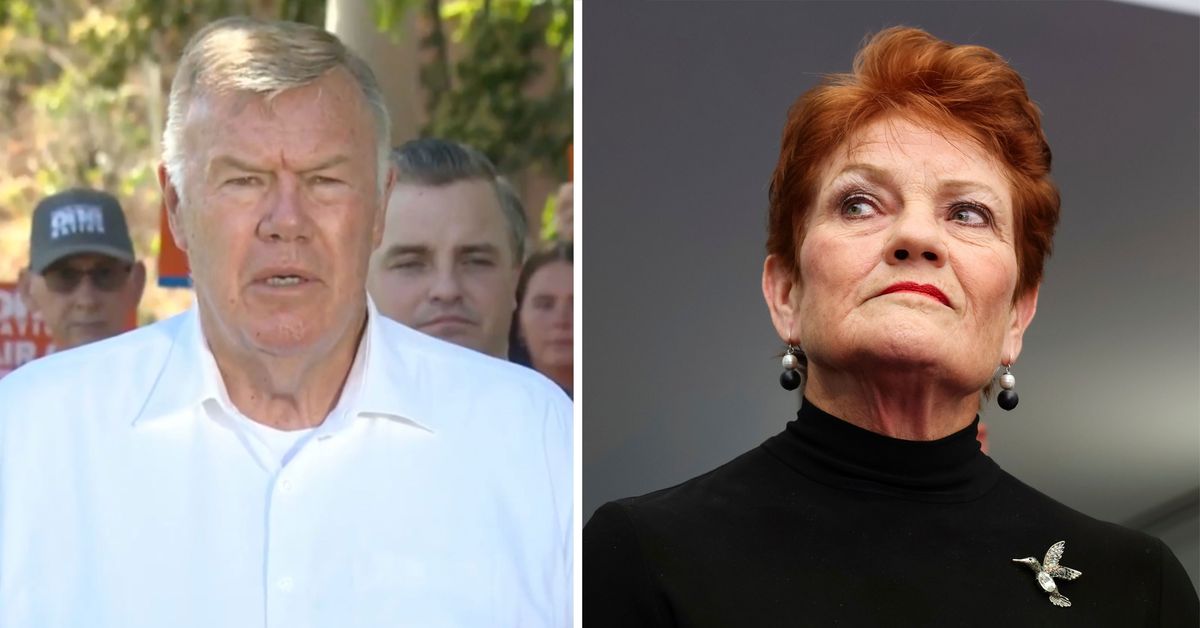
One Nation is preparing for its inaugural federal electoral challenge, focusing on two pivotal issues: gas exports and water management. The upcoming by-election in Farrer, ignited by the vacancy left by former opposition leader Sussan Ley, presents an opportunity for One Nation as it seeks to recover ground from the Liberal Party amidst these pressing concerns.
The party’s leader, Senator Pauline Hanson, criticises both major parties for their handling of water issues, particularly concerning the Murray-Darling Basin. She advocates for a royal commission to investigate the management of this crucial water system and believes that public discontent related to mismanagement in regional areas is driving voters towards One Nation.
David Farley, One Nation’s candidate for the Farrer seat, is emphasising water reform in his campaign. A former jackaroo and irrigation expert, he stresses the need for disciplined water management. Despite this focus, his campaign faces challenges, including past controversies that have led the minor party Family First to refrain from endorsing him, citing concerns regarding his conduct.
The issue of gas exports significantly impacts the electorate, with surveys indicating that over 77% of residents believe Australia exports too much gas. Many constituents are eager for a more equitable share of profits from gas exports, reflecting a deep-seated frustration with the current government’s policies.
Polling data suggests a tight race, with Farley reportedly leading slightly in primary preferences over Independent Michelle Milthorpe and the Liberal candidate, Raissa Butkowski. A recent poll indicated that 28.7% of Farrer voters would cast their first preference for One Nation, slightly ahead of Milthorpe’s 23.3% and the LNP’s 19.1%.
Political analysts note that while anger directed at major parties over water management is high, it may not be enough to convince farmers struggling with practical issues related to climate change and water health. This highlights the complex dynamics at play in the electoral race, where individual voter preferences can greatly influence outcomes.
In conclusion, One Nation’s prospects in Farrer hinge on how effectively it can address the key issues of water and gas, alongside navigating the challenges posed by internal party controversies and the preferences of the local electorate.