
Exercise physiologists in Australia are calling on the federal government to introduce “healthy living vouchers” aimed at supporting individuals with chronic illnesses. Olympic gold medalist Duncan Armstrong is championing a proposed $400 “Healthy Living Voucher,” which would enable millions to consult with exercise scientists to achieve better health outcomes.
Proponents of the initiative argue that it could significantly reduce long-term healthcare costs. Armstrong, who also serves as General Manager of Exercise and Sports Science Australia, emphasised that these vouchers would provide access to professional exercise guidance, allowing individuals to develop tailored exercise programs.
Armstrong expressed the goal of helping those with chronic conditions to secure personalised exercise plans that could enhance their quality of life, prolong their health, and reduce hospitalisation rates. He noted, “We want these vouchers to be accessible to individuals with chronic conditions, enabling them to benefit from our expertise.”
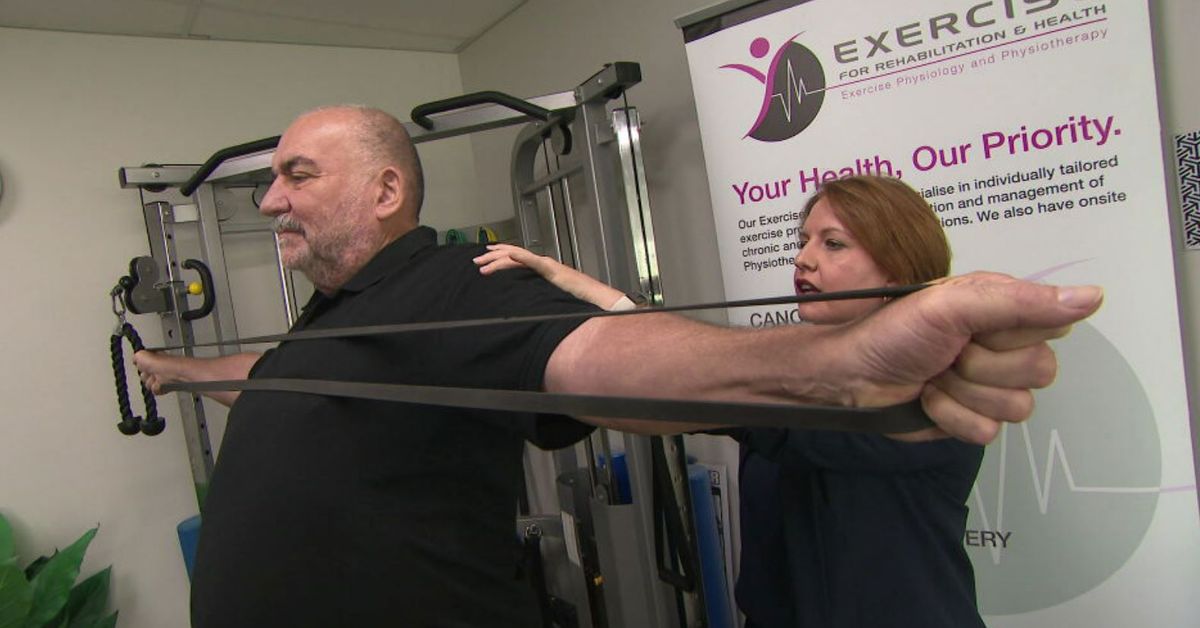
One such success story is Doug Givney, a retired army veteran who has seen remarkable improvements in his health by following a personalised exercise regimen designed by an exercise physiologist. At 65 years old, Givney manages type 2 diabetes and has overcome health hurdles, reporting a significant decrease in his medication and an enhanced ability to stay active.
Nicole French, an accredited exercise physiologist, raised concerns about the rising cost of living making it challenging for many to afford necessary treatment. She believes that the vouchers could alleviate these financial barriers, stating that “properly prescribed exercise is the gold standard treatment for anyone with a complex and chronic medical condition.” French pointed out that elderly citizens, particularly those at high risk of falls, would greatly benefit from such programs.
As the federal election approaches, Exercise and Sports Science Australia is advocating for the allocation of funds to provide these $400 vouchers to one million Australians dealing with chronic illnesses, including cancer, diabetes, heart disease, obesity, and mental health issues. This initiative seeks not only to improve individual health outcomes but also to foster a healthier, more resilient community overall.