
Cycling Boom Amid Rising Costs: A Shift in Commuting Trends
99 Bikes has reported an impressive 136 per cent sales surge in just one week, a trend mirrored nationwide across Australia. Unlike the previous bike boom during the COVID-19 lockdowns, which was primarily prompted by boredom, this current surge is motivated by economic factors.
David Miller-Heidke, General Manager at 99 Bikes, highlights that cycles, e-bikes, and e-scooters are now seen as practical solutions to escalating fuel prices and the ongoing cost of living crisis. The head of digital, Antoine Vaxelaire, noted a remarkable 50 per cent increase in online cycling orders over the past fortnight, indicating a shift in consumer mindset. Cycling is increasingly being regarded not merely as a recreational activity, but as a sensible everyday transportation option.
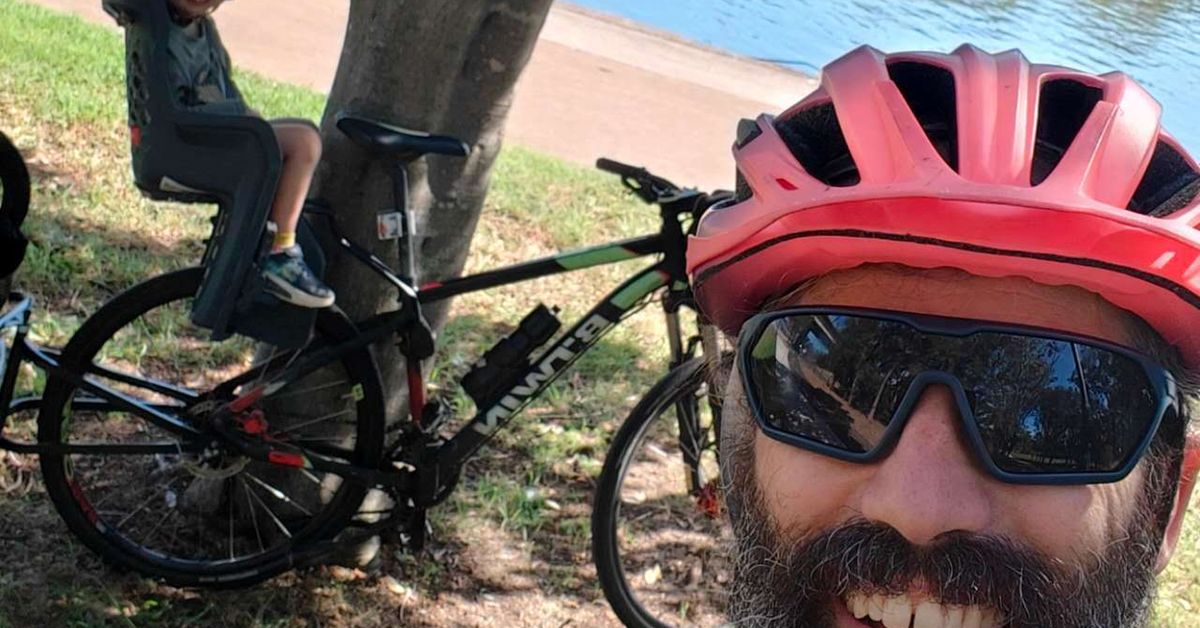
For many families, this trend is not about acquiring a novelty but replacing vehicles, with Sydney resident Jerémie Siguan recently choosing to buy a bike for daily daycare runs for his son. Siguan expressed that while he enjoyed cycling for leisure, it took the fuel crisis to illuminate its practicality as a daily transport solution. He appreciates the transformation in his family routine, valuing the quality time spent outdoors over being stuck in traffic.
E-bikes are gaining traction too, though their price—ranging from $5,000 to $10,000—has led to a 15 per cent increase in inquiries for subscription services, making them more accessible for those looking to ease their budgets. Katrina Khao from Lug+Carrie noted their service is helping households in major cities save fuel costs. Over the past five years, users have reportedly saved around $1 million by opting for e-bike trips instead of driving.
As living costs rise, bicycles are emerging as a viable commuting alternative. People like Siguan acknowledge that while financial savings motivate the switch to cycling, the associated benefits extend far beyond economic relief—providing a healthier lifestyle and more meaningful family interactions.
In this evolving landscape, the bicycle is not just a means of transport but a smart, sustainable choice that aligns with current economic realities.