
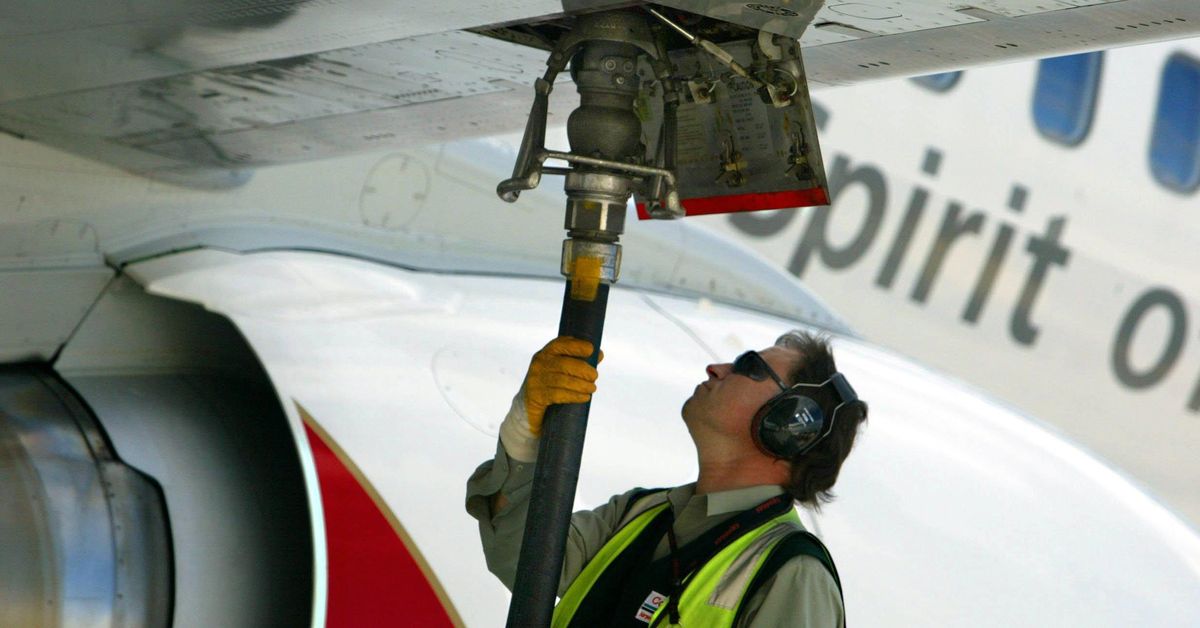
A prominent global credit rating agency has highlighted that Australian airlines may face significant challenges due to potential disruptions in jet fuel supply linked to the ongoing conflict in Iran. This warning comes as the US and Iran have managed to establish a two-week ceasefire, which includes an agreement by Iran to reopen the crucial Strait of Hormuz during this pause in hostilities.
Since the onset of the conflict on February 28, the price of jet fuel has nearly doubled, with airlines increasingly passing these elevated costs onto consumers through higher ticket prices. Analysts from Morningstar DBRS indicate that airlines with effective fuel hedging strategies, used to manage price volatility, may be better shielded in the short term. However, should aviation fuel supplies dwindle globally, many other airlines could find themselves vulnerable.
The report warns of a compounded risk, as not only price hikes but also physical shortages of jet fuel may arise from continued disruptions in the Middle East and potential export restrictions from key suppliers like China. Carriers heavily reliant on imports from affected regions, particularly in Australia, Asia, and parts of Europe, are noted as being potentially most at risk.
Airlines across the globe are currently grappling with fluctuating oil prices, exacerbated by the conflict near the Strait of Hormuz, a vital shipping lane through which around 20% of the world’s oil is transported. The instability in this area is significantly contributing to the rising costs of jet fuel, which is typically the second-largest operational expense for airlines after labour.
As the situation evolves, the financial impact on airlines is expected to deepen, particularly if the disruptions prove to be prolonged. The industry will need to navigate these challenges carefully to mitigate the consequences of rising costs and potential supply shortages that could hamper operations.