
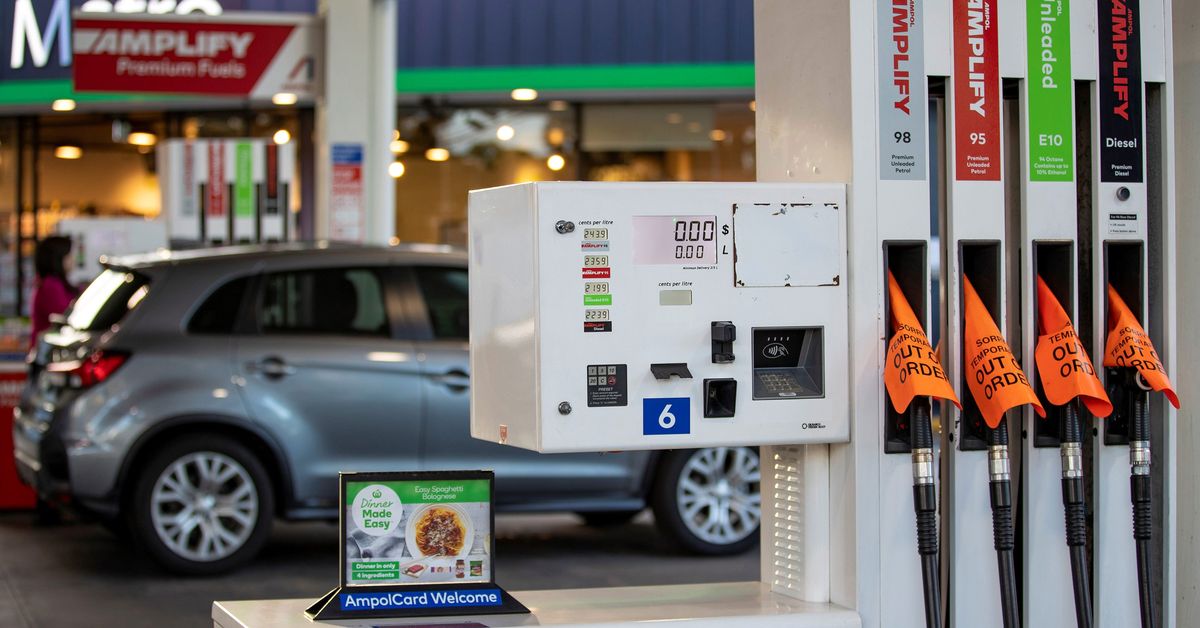
Australian officials may need to consider fuel rationing as a contingency measure amidst rising fuel prices linked to Middle Eastern conflicts. Energy expert Alison Reeve from the Grattan Institute noted that this step would be a “last resort” if existing measures fail. Prime Minister Anthony Albanese has urged citizens to minimise driving where possible to conserve fuel for those who rely on it for essential travel.
Reeve suggested that Australia’s strategy involves maintaining supply from Asian refineries, which provide the bulk of the nation’s refined fuel. However, if local supplies fall short, Australia may need to look to further imports, possibly from the United States. The government is currently in the second phase of its national fuel plan, which aims to ensure mobility across the country. If supply disruptions persist, fuel rationing could be enacted in the fourth phase to safeguard critical services.
While the government is keen to avoid fuel rationing and similar interventions like those seen during COVID-19, Albanese addressed the nation to promote public transport use. He emphasised the need to conserve fuel for workers in critical roles, including farmers, miners, and emergency services personnel. Reeve interpreted Albanese’s comments as a proactive approach, setting social expectations for potential rationing exemptions.
Australia currently possesses approximately 39 days’ worth of petrol and 30 days’ worth of diesel and jet fuel. The government has ensured fuel shipments until May. While these figures may raise concern, Reeve explained that reserves could be extended significantly if consumption is reduced by 20%, resulting in diesel reserves lasting up to 150 days.
The escalating conflict in the Middle East has caused fuel prices to surge past $3 a litre, prompting panic-buying and empty petrol stations across Australia. Reeve warned that supply chains and fuel prices may never return to pre-crisis levels, indicating a permanent adjustment in consumer behaviour. Historically, during crises, people tend to change their purchasing habits, such as opting for smaller vehicles or shifting towards electric cars.
Ultimately, Reeve suggested that while the current challenge may lead to lasting changes in consumption patterns, it could also pave the way for a new equilibrium in the supply and demand dynamics of the fuel market.