
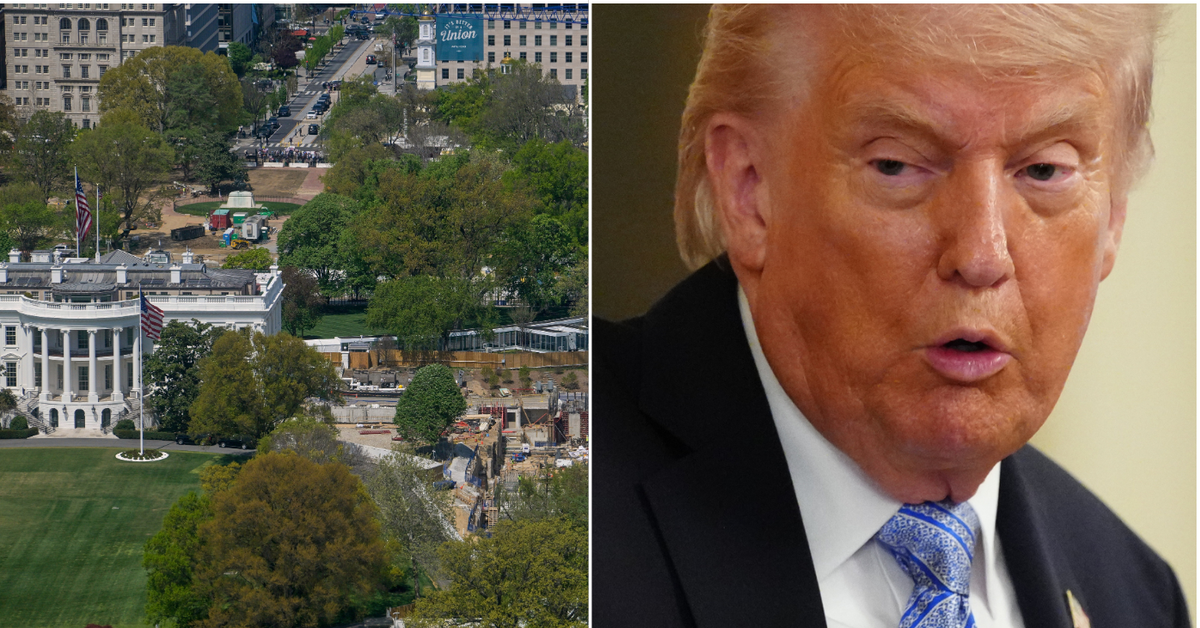
A new funding proposal for Donald Trump’s anticipated renovations of the White House has sparked significant discussion due to its staggering budget increase. Initially estimated to cost $200 million, the projected budget has soared to five times that amount, with little explanation for the drastic rise.
This proposal, while officially coming from Republican senators, has garnered positive remarks from the White House, which views it as a vital step towards enhancing the security infrastructure tied to the East Wing Modernisation Project. A spokesperson expressed the White House’s appreciation for congressional acknowledgment of the need for further financial backing.
The funding, as outlined in the proposed bill, is intended to facilitate vital security upgrades, particularly surrounding the perimetre of the White House. The initiative aims to support improvements by the United States Secret Service, enabling both above-ground and below-ground security features that will be incorporated as part of the broader modernisation efforts.
However, the proposal has incited outrage from Democratic lawmakers. Congresswoman Sydney Kamlager-Dove voiced her discontent, questioning the rationale behind using taxpayer money for a project Trump initially assured would be privately funded. She highlighted the irony of potentially allocating up to $1 billion in taxpayer dollars for enhancements that stemmed from Trump’s decision to demolish the East Wing.
While the proposal is currently under discussion, its fate remains uncertain as it requires approval from Congress, where Republicans hold a slim majority in both the House of Representatives and the Senate. The proximity of the upcoming midterm elections adds an additional layer of complexity, potentially affecting the willingness of Republicans from tightly contested districts to endorse such a high-cost initiative.
In summary, the funding proposal for Trump’s White House renovations signifies not only a controversial budget escalation but also reflects broader political tensions surrounding government spending and accountability leading into the critical election cycle.