
The US Navy has initiated a blockade of all Iranian ports in a bid to compel Tehran to reopen the critical Strait of Hormuz and agree to a peace deal. This military action was announced by the US Central Command and commenced at 10am EDT on the specified Monday, targeting vessels from all nations engaged in trade with Iranian ports along the Persian Gulf and Gulf of Oman.
Iran promptly responded with threats directed towards US allies in the region, warning that all ports in the Persian Gulf and Oman would be unsafe. This tension sets the stage for a potentially escalating conflict, which could significantly impact the global economy, particularly if the fragile ceasefire collapses, thus risking the resumption of hostilities.
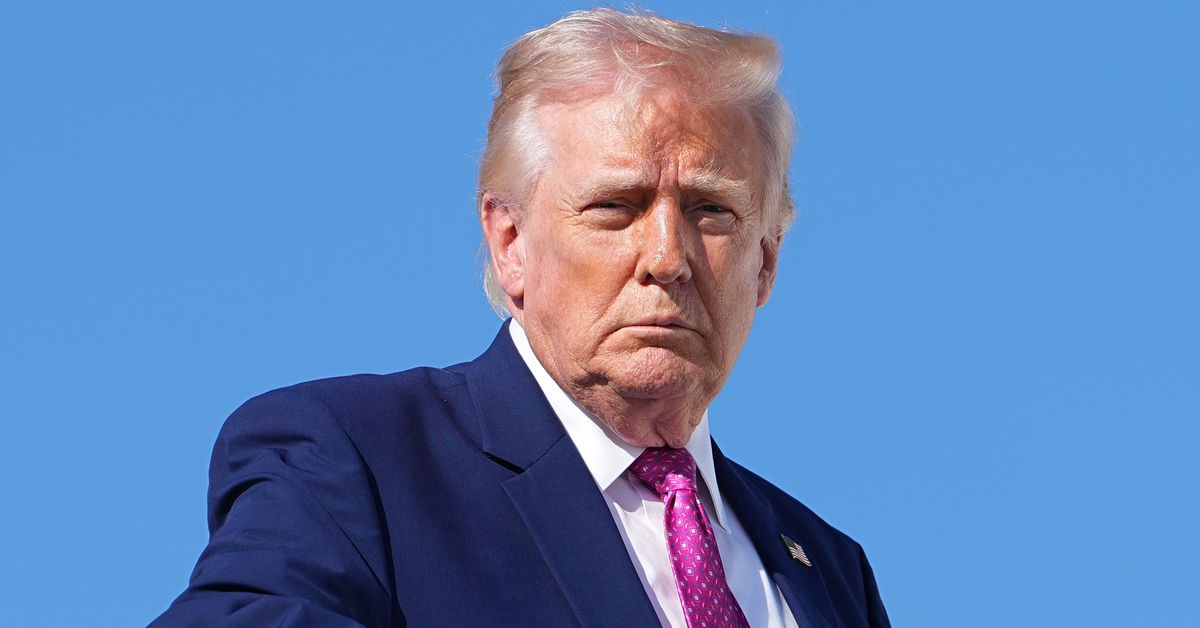
President Trump declared on social media that the blockade is “effective immediately,” stating that the US Navy would intercept any ships attempting to pass through the Strait of Hormuz. He remarked that while vessels travelling between non-Iranian ports would still be permitted to navigate the strait, the specifics of this arrangement have yet to be communicated.
During his announcements, Trump insisted that ships paying “illegal” tolls to Iran would not receive safe passage. As tensions escalated, Iran responded with stern warnings, asserting that “security in the Persian Gulf and the Sea of Oman is either for everyone or for no one,” suggesting a heavy-handed approach towards any foreign vessels.
Australia’s Prime Minister, Anthony Albanese, clarified that Australia hasn’t been requested to take part in the blockade, describing the action as unilateral. Meanwhile, Trump claimed to have eliminated sea mines from the strait and has urged Iran to expedite the process of reopening this vital waterway.
Concerns have arisen regarding the blockade’s effectiveness in achieving the objective of reopening the Strait. Since the ceasefire, vessel traffic has decreased significantly, with reports indicating a drop from around 100 to 135 daily transits down to fewer than 50, amid fears surrounding the maritime conflict.
The blockade aimed at pressuring Iran, which has continued to export substantial amounts of oil through clandestine channels, is expected to have repercussions extending well beyond Iran’s borders. The effects have already been felt in the oil markets, with Brent crude prices rising substantially due to fears of disrupted supplies.
Critics within the US, including Senator Mark Warner, have questioned the strategy, expressing scepticism about the blockade’s potential to compel Iran to negotiate. Iran’s leadership has warned that any military presence would be viewed as a violation of the ceasefire, intensifying the risk of confrontation.
As these developments unfold, Iranian officials have voiced concerns that the blockade will only exacerbate global oil prices, warning that the US will soon face much higher fuel costs. Amidst these tensions, the future of the Strait of Hormuz and broader regional stability remains precarious.