
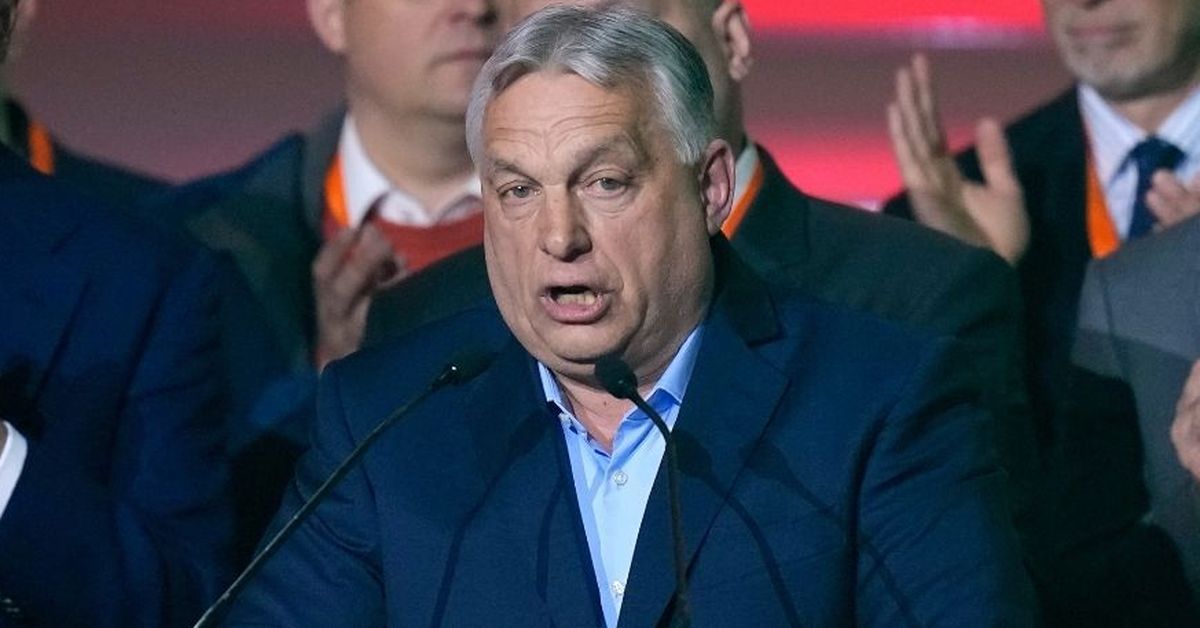
In a remarkable political shift, Hungarian voters have removed Viktor Orban from the office of Prime Minister after 16 years, opting for a pro-European alternative, Peter Magyar. Magyar, a former ally of Orban, ran an effective campaign focusing on corruption and significant everyday issues like healthcare and public transport. His victory signals a potential change in Hungary’s direction, particularly in its relations with the European Union and NATO, which had deteriorated under Orban’s rule.
Magyar’s party, Tisza, garnered over 53% of the vote compared to Orban’s Fidesz party, which received about 38%. While it’s still uncertain whether Tisza will achieve a strong parliamentary majority, the results so far indicate a decisive shift. This has been perceived as a massive defeat for Orban, an established figure in global far-right politics and a close ally of both Donald Trump and Vladimir Putin. Orban acknowledged his loss by congratulating Magyar and expressed intentions to serve from the opposition.
The election not only showcased voter sentiment but also exhibited record turnout, with over 77% participation, highlighting the electorate’s engagement in the democratic process. Reports of electoral violations surfaced, indicating potential disputes could follow. Nevertheless, both parties called for reconciliation in the wake of a tense campaign.
With the EU closely monitoring the situation, the focus is now on how Magyar will approach issues like the conflict in Ukraine. Orban has been notorious for blocking EU initiatives, including a significant loan aimed at aiding Ukraine, while fostering a closer relationship with Russia. Recent events have also raised concerns over Hungary’s internal political dynamics, including allegations regarding government members sharing sensitive EU information with the Kremlin.
In his campaign, Magyar, having previously held high ranks in Orban’s regime, positioned the election as a referendum on Hungary’s future alignment—whether the nation would continue its drift towards Russian influence or embrace its Western European identity. The Tisza party is associated with the European People’s Party, which represents traditional centre-right politics across Europe.
Despite being at a fall in popularity, Orban benefited from a significant media landscape and a gerrymandered electoral system that favoured his party. Additionally, hundreds of thousands of ethnic Hungarians from neighbouring countries, who typically vote for Fidesz, added another layer of challenge for Magyar.
Overall, this election serves not only as a turning point for Hungary but could also bear important implications for the broader European political landscape as it navigates tensions with Russia and the rise of far-right populism. The dynamics between Magyar’s coalition and Orban’s legacy will be crucial in shaping the future of Hungary’s governance and its role within Europe.