
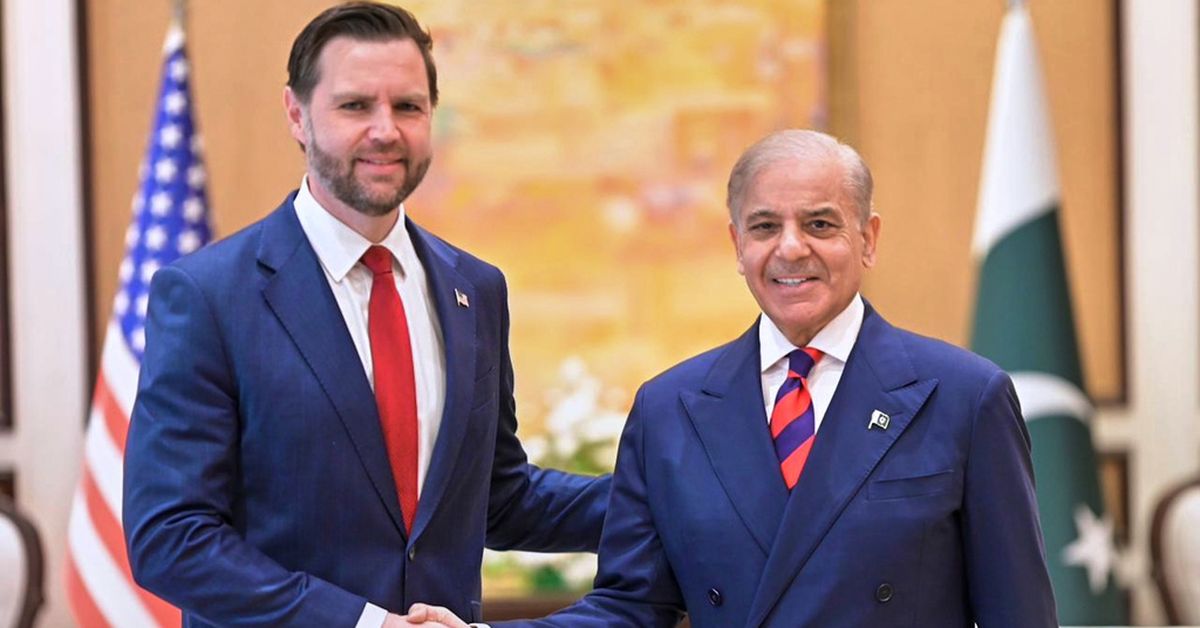
Negotiations commenced between the United States and Iran in Islamabad on Saturday, following a fragile ceasefire that temporarily ceased hostilities in the region. The discussions, also involving Pakistan, arose after a decrease in Israeli military actions in southern Lebanon, which met certain prerequisites set by Iran. Despite the lack of immediate confirmation from the US regarding these talks, both American and Iranian officials separately conferred with Pakistani Prime Minister Shehbaz Sharif.
Leading the US delegation was Vice President JD Vance, while Iran’s contingent included Parliament Speaker Mohammad Bagher Qalibaf. These talks aim to bolster the tenuous ceasefire that has been troubled by ongoing conflicts in Lebanon, where Israeli strikes continued even as Iran stipulated a cessation of hostilities as a condition for dialogue.
The ongoing violence has resulted in significant casualties: over 3,000 in Iran, nearly 2,000 in Lebanon, and notable fatalities in Israel and Gulf Arab nations. This conflict has severely impacted the global economy, particularly energy markets, resulting in skyrocketing oil prices and infrastructural damage across multiple countries.
In Iran, public sentiment is mixed, with many expressing scepticism regarding the talks, yet holding on to hope for a resolution. Residents feel the effects of the war acutely, with one individual noting, “Peace alone is not enough” due to the substantial costs incurred by the conflict.
Ahead of the negotiations, both nations exchanged competing proposals: Iran demanded guarantees against future attacks, an end to economic sanctions, and control over the strategic Strait of Hormuz. In contrast, the US focused on restrictions to Iran’s nuclear ambitions and ensuring the Strait remained open for navigation.
Negotiations between Israel and Lebanon are also scheduled to begin, with Israel insisting that Lebanon disarm Hezbollah, which has actively participated in the ongoing conflict. However, the capacity of the Lebanese military to enforce such disarmament is in doubt.
Tensions remain high, particularly around the Strait of Hormuz—a vital conduit for global oil shipments. Iran has reportedly threatened to impede passage through the strait as leverage, significantly affecting energy supplies.
As talks unfold, both sides assert their demands, creating a challenging atmosphere for negotiations, with the threat of renewed hostilities always looming. The complexities of regional alliances and historical grievances continue to make a straightforward resolution elusive.