
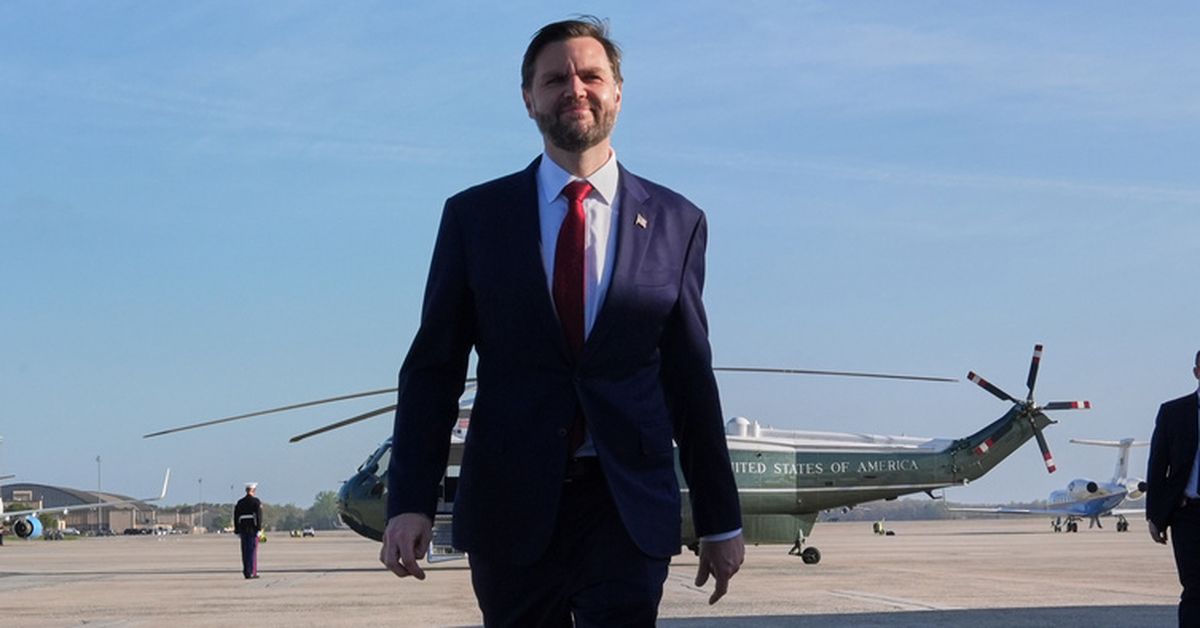
US Vice President JD Vance issued a strong warning to Iran ahead of his diplomatic trip to Islamabad aimed at negotiating an end to the ongoing conflict. Vance, who has previously expressed skepticism about US military engagements abroad, is stepping into a significant role, leading these crucial discussions.
The urgency of the situation is underscored as President Donald Trump assigned this task to Vance, amid his own controversial rhetoric concerning the dismantling of Iran’s civilization. As Vance departed, he optimistically stated, “We’re looking forward to the negotiation. I think it’s gonna be positive,” while stressing that any Iranian attempts to manipulate the discussions would be met with resistance.
The backdrop to Vance’s mission involves a fragile ceasefire that is in danger of collapse, with stark discrepancies between Iran’s expectations and those of the US and Israel. The political pressure in the US for a resolution is mounting as Vance prepares for potential future presidential ambitions.
Joining Vance in these talks are key figures from Trump’s administration, including his special envoy, Steve Witkoff, and Jared Kushner, who has participated in earlier indirect negotiations surrounding Iran’s nuclear ambitions. However, details regarding the format of the talks remain vague.
This negotiation effort represents a rare instance of high-level engagement with Iranian representatives since the 1979 Islamic Revolution, making Vance’s position particularly pivotal. Tensions have already surfaced concerning the ceasefire, particularly around Iran’s expectations regarding the Israeli military operations in Lebanon and the reopening of the critical Strait of Hormuz.
Pressure from Trump and the administration emphasises that they will demand Iran meet its obligations as part of any negotiations, with little room for posturing. As Vance takes on this significant diplomatic task, experts point out his limited experience in such high-stakes negotiations might necessitate a deep dive into foreign relations.
Observers note that Vance could be seen as favourably inclined towards Iran by some, given his sceptical stance on foreign military actions. The negotiations could reflect either positively or negatively on his political future, depending on their outcomes.
In conclusion, Vance’s role represents not just a critical diplomatic challenge but also a chance to redefine his position within the administration while potentially shaping the future of US-Iran relations amid a turbulent landscape. Regardless of the challenges ahead, the implications of these negotiations could resonate well beyond the immediate conflict.