
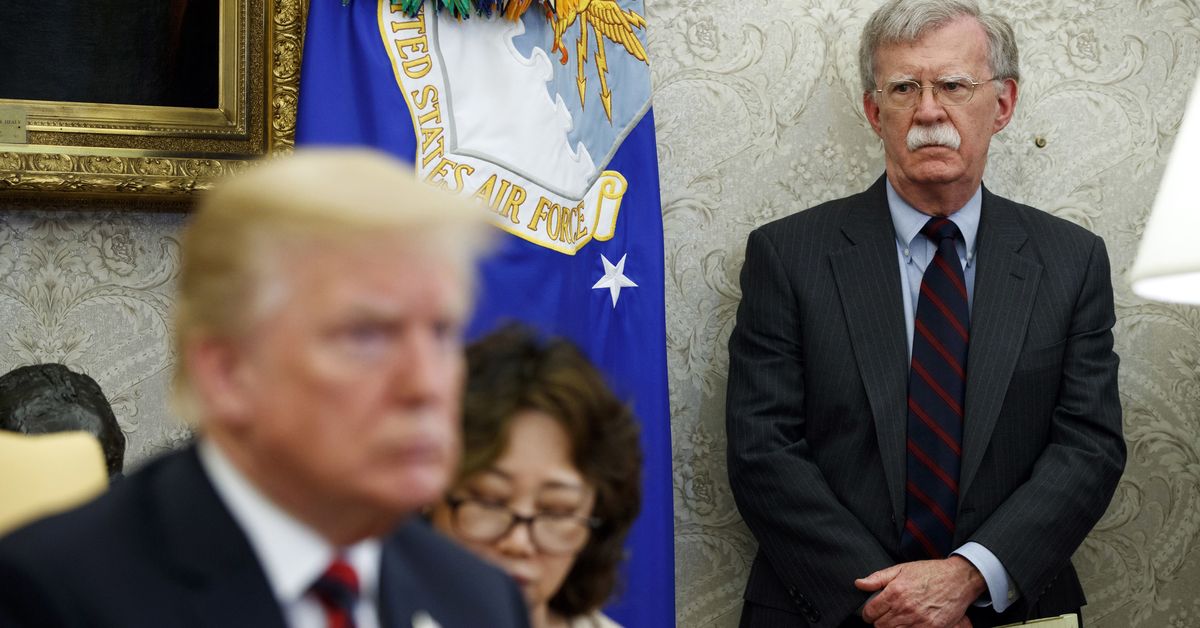
John Bolton, the former national security adviser to Donald Trump, has highlighted that Trump’s potential withdrawal from NATO remains a concern for the US despite recent discussions concerning the Strait of Hormuz. Following a significant meeting between Trump and NATO Secretary-General Mark Rutte at the White House, Bolton remarked on the possibility of the US exiting NATO, indicating that there is “always a risk” under Trump’s leadership.
In recent weeks, Trump has been vocal about his dissatisfaction with NATO allies, accusing them of not supporting US military actions against Iran. This sentiment reflects long-standing criticisms he has made about NATO members being overly dependent on US defence resources. Although NATO, established in 1949, has grown to include 32 member countries, many of which are fiercely committed to the alliance, Bolton suggests that Trump may attempt to reduce American involvement in NATO missions in Europe.
The legality of a US withdrawal from NATO is complicated. A law enacted in 2023 mandates that any such decision would require Congressional approval, a move that could face substantial opposition given the widespread bipartisan support for the defence pact.
In the lead-up to the meeting with Rutte, Trump referred to NATO as a “paper tiger,” chastising it for failing to aid in military efforts against Iran. Following discussions, Trump shared his frustrations on social media, claiming NATO had not been reliable in previous conflicts and would not be in future ones. Two European diplomats privy to the talks relayed that Trump sought immediate actions from NATO to safeguard the vital Strait of Hormuz, through which a significant portion of the world’s oil shipments pass.
Despite Trump’s discontent, Rutte remarked that their discussions were candid and friendly, while also noting that an international coalition, which includes Australia, has been formed to address the situation in the strait. The future of NATO, particularly in relation to US commitment, remains uncertain as Trump’s administration continues to reassess its alliances and military strategies.