
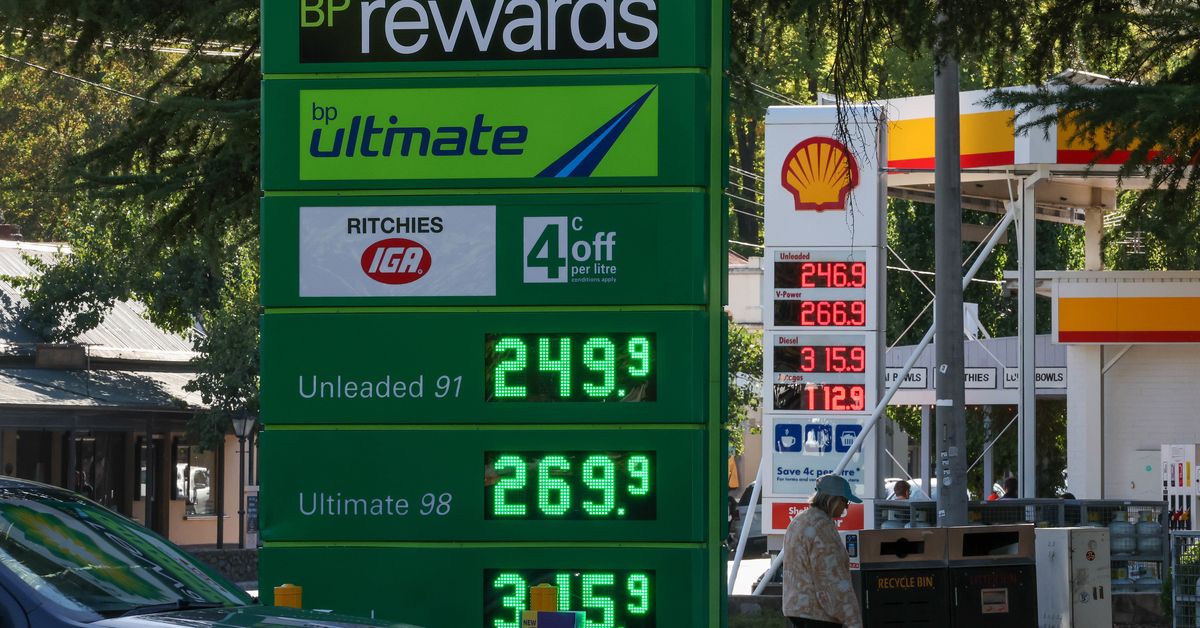
Australian drivers have been cautioned that any drop in fuel prices may not be immediate, despite a recent decline in crude oil costs following a ceasefire between Iran and the US. The price of Brent crude, the international benchmark, fell by 13.3% to US$94.75 per barrel, down from a high of US$119 amid peak war tensions. However, it remains above the pre-war level of around US$70.
Experts, alongside the federal government, indicate that reductions in petrol and diesel prices at local service stations will take time to materialise. Peter Khoury from the NRMA stated that while the ceasefire offers hope for reduced oil prices, the effects will not be seen at the bowser immediately. Typically, it takes about seven to ten days for global oil price shifts to influence local prices, though given the rapid rise in prices at the outset of the conflict, there is pressure for quicker adjustments in the opposite direction.
Foreign Minister Penny Wong noted that significant factors, such as the closure of the Strait of Hormuz—which is responsible for transporting about one fifth of global oil—could prolong the period before drivers see any relief. Wong acknowledged that while there’s a desire for swift changes, the reality is that fluctuations in oil prices may persist.
Transport expert Professor Hussein Dia from Swinburne University warned that recurrent closures of the Strait of Hormuz could create instability in global oil pricing. He explained that whenever the passage is threatened, a risk premium is applied to oil prices, which may not always diminish immediately even when conditions improve.
In a positive move, Prime Minister Anthony Albanese announced that Australia’s largest fuel suppliers will now have the means to import additional stock from overseas, signalling an increase in fuel availability in Australia. This announcement came as the Prime Minister prepared for discussions in Singapore with a key supplier.
With ongoing geopolitical tensions and disruptions in vital regions like the Strait of Hormuz, Australians can expect a mix of optimism for lower prices tempered by a reality of delayed relief at the fuel pump.