
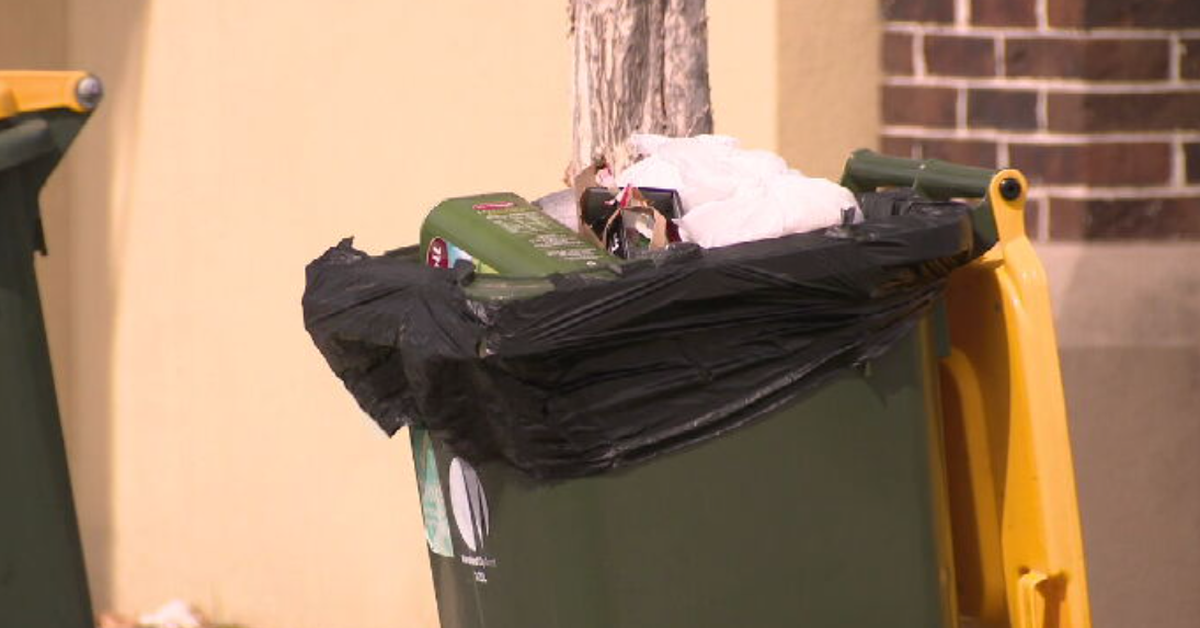
Kerbside rubbish collection in several Melbourne municipalities has come to a halt due to strike action by waste collectors over pay and working conditions. Waste management workers from Hume, Darebin and Merri-bek councils commenced their strike today, demanding a 10 per cent wage increase for this year, followed by annual raises of 4 per cent for the next three years.
As a result of the strike, residents in affected areas faced unemptied household and public bins, with many now required to wait another week for collection. Hume was significantly impacted, losing around 70 workers, while Merri-Bek and Darebin managed to recruit casual staff to lessen the disruption for residents.
The Australian Services Union (ASU), which represents the striking workers, highlighted that wages for council workers have declined between 7 and 12 per cent since 2021. Union representative Tash Wark expressed the frustration of the workers, stating that they feel neglected amidst a local government rate capping policy that has hindered wage growth. She emphasized the need for better wages that would alleviate the financial pressures workers are currently facing.
Waste collector Jayden Watson shared how stagnant wages have affected his aspirations of home ownership, revealing that he is struggling to save money while trying to manage his expenses. The union claimed that their members have been advocating for a pay rise for nearly two years, and the strike, though regrettable, was essential to make their voices heard.
In response, the councils acknowledged the legal right of workers to engage in industrial action but lamented the inconvenience it caused to their communities. They stated that they were committed to ongoing negotiations with the ASU.
Additionally, workers from the cities of Yarra, Maribyrnong, and Melbourne also participated in today’s strike, halting their activities like parking enforcement. Local councils argue that the state government’s rate-capping policy restricts their ability to offer competitive salaries, which has complicated negotiations with workers.
Wark pointed out that it is a matter of priorities, arguing that if funds can be allocated for significant salary increases for elected officials, workers should likewise receive fair compensation for their essential services. While Acting Premier Ben Carroll defended the rate cap as a crucial cost-of-living measure for the public, the striking workers remain determined to continue their actions until their demands are met.
A second round of negotiations was set for today, and if no agreement is reached, further strikes are anticipated across multiple councils, potentially affecting various municipal services, such as park maintenance and library operations. The union reiterated its commitment to ensuring that workers receive the wages they deserve.