
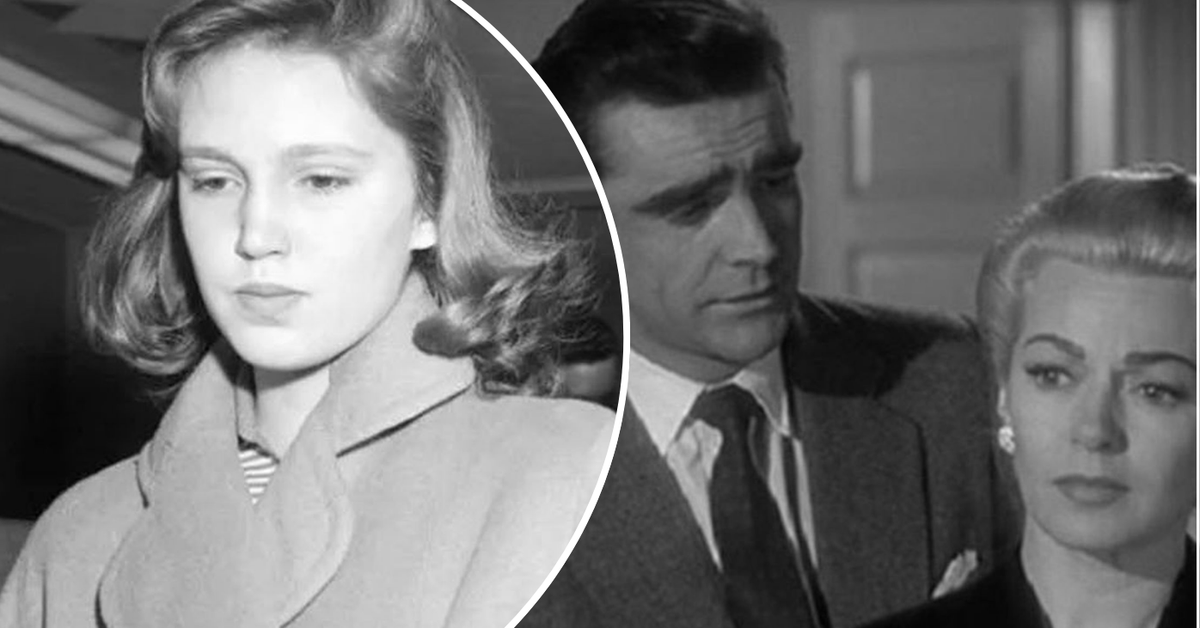
Lana Turner, a prominent Hollywood actress, found herself in a tumultuous relationship with mobster Johnny Stompanato, a figure deeply entwined with organised crime and linked to notorious gangster Mickey Cohen. As their heated relationship began to fray, tensions escalated one day when a furious Stompanato confronted Turner at her home in Los Angeles.
Concerned for her mother’s wellbeing, Cheryl Crane, Turner’s daughter, intervened during the intense argument. In a moment of panic, believing Stompanato was threatening to harm her mother and sabotage her career, Crane grabbed a kitchen knife. Misinterpreting a clothes hanger in his hand for a weapon, she stabbed Stompanato, resulting in his death.
The shocking incident led to a sensational trial that captivated the media and public alike. Ultimately, the court deemed Crane’s actions justifiable, agreeing that she had acted in self-defence against Stompanato’s aggressive threats.
Before this tragic event, Stompanato had been a known volatile presence in Turner’s life, even confronting one of her co-stars during filming. His jealousy and erratic behaviour had plagued her personal and professional life, making him increasingly unwelcome. Notably, during the filming of Another Time, Another Place, he had confrontations that highlighted his unstable nature, even brandishing a gun at her young Scottish co-star, Sean Connery, who responded by disarming him and delivering a knockout punch.
After Stompanato’s murder, Connery was advised by industry insiders to avoid Los Angeles, fearing retribution from Cohen. Defying this warning, Connery forged ahead and eventually became one of cinema’s biggest stars.
The case remains a significant part of Hollywood’s scandalous history, illustrating the dangerous entanglements of fame, love, and crime that enveloped some of its brightest stars.