
Australians are likely to face heightened fuel-related inflation for at least the next six months, warns AMP’s deputy chief economist, Diana Mousina. The situation stems from US-Israeli attacks on Iran and Iran’s subsequent closure of the Strait of Hormuz, which have triggered significant global oil price increases that are being passed on to consumers.
Mousina forecasts that unless a resolution to the oil supply issues is reached, prices could rise even further, negatively impacting demand. She highlights that a potential decrease of 5 to 10 per cent in market performance remains a considerable risk. However, she optimistically notes that successful negotiations between the US and Iran could stabilise the situation in the upcoming weeks.
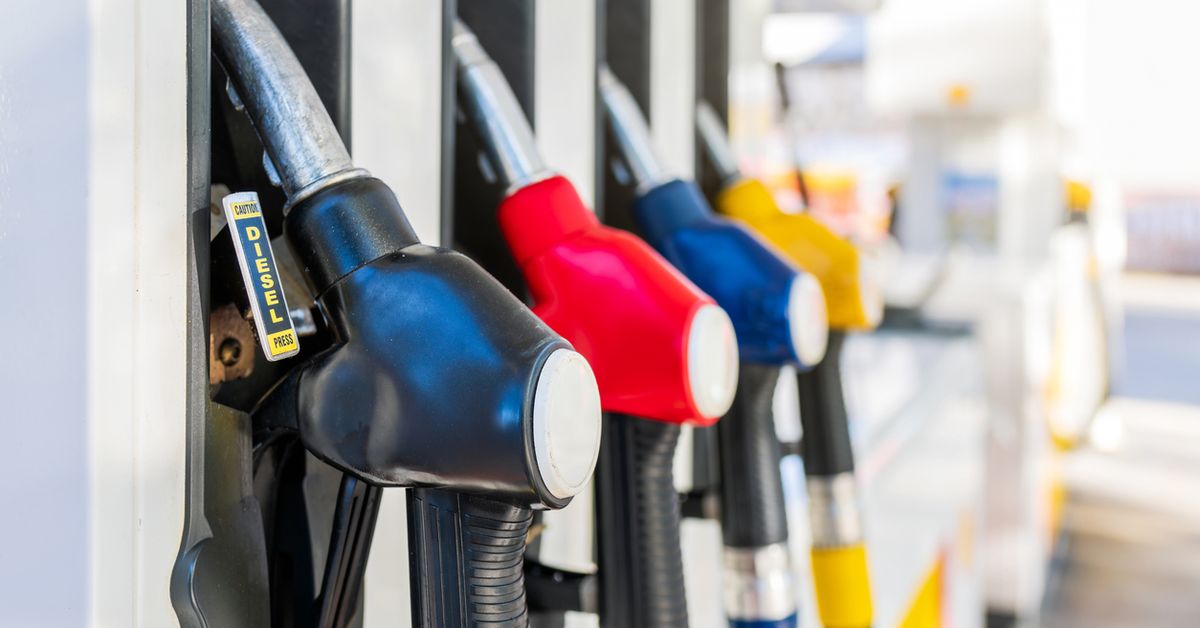
Reflecting on petrol costs, Mousina estimates that a household consuming approximately 35 litres of petrol weekly would have seen their weekly expenditure rise from around $60 pre-March to $88 in March. Should prices remain stable, this figure might reduce to about $78 in April, provided there are no further price surges.
The prolonged oil crisis is expected to slow consumer spending and hinder economic growth, further complicating the financial landscape. Mousina anticipates that the Reserve Bank of Australia (RBA) will respond by raising interest rates, having learned valuable lessons from the financial disruptions caused by the COVID-19 pandemic.
Central banks typically view supply shocks as temporary, but higher inflation expectations fuel worries over wage demands and wider price increases across the supply chain. This reluctance to dismiss current pressures as fleeting reflects the aftereffects of the pandemic on economic policy.
Mousina predicts a further interest rate hike may occur in May, with additional adjustments possible later in 2026. However, should GDP growth slow down, there is a high probability that rates could be cut in 2027.
Overall, Australians may need to prepare for a challenging economic climate characterised by elevated fuel prices and consequential impacts on household budgets and broader economic activity.