
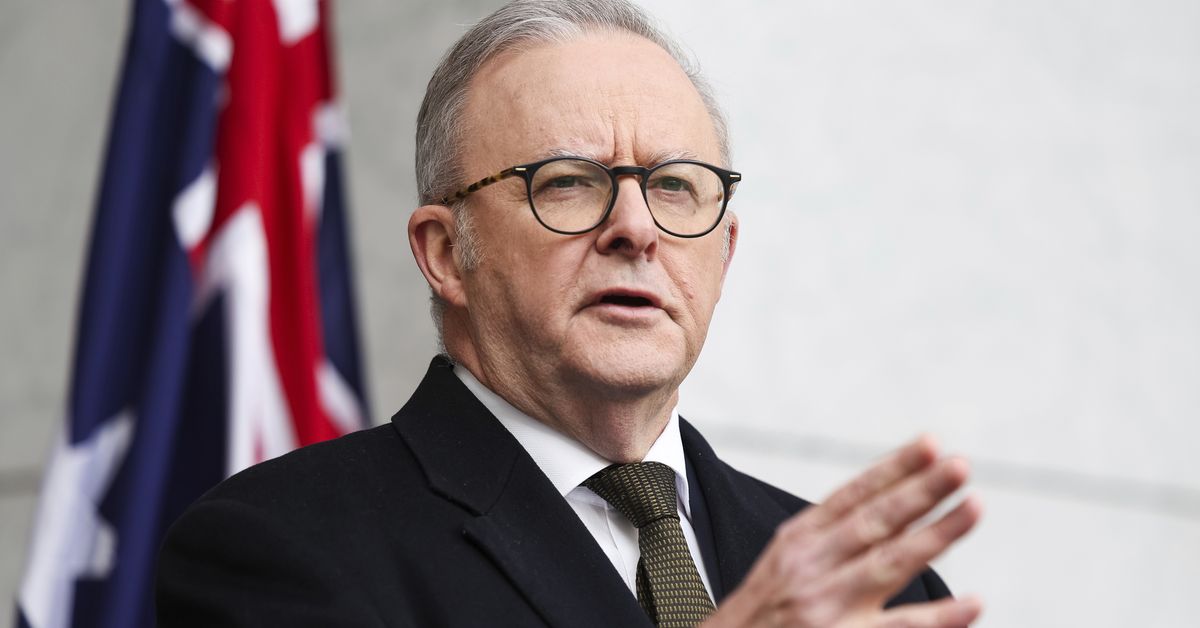
Prime Minister Anthony Albanese is set to deliver a national address tonight at 7pm AEDT, addressing the ongoing conflict in the Middle East as well as the impact on Australia’s fuel crisis. This address is aimed at informing Australians about the government’s response to the situation and encouraging citizens to play their part amid the escalating challenges to fuel supply.
The address will be broadcast live on all television and radio stations, and can also be accessed on 9News’ website. This rare address marks a significant moment for Albanese, as such communications typically occur during major national crises. Nine’s chief political editor, Charles Croucher, noted the historical weight of such occurrences, likening them to past addresses by leaders like Robert Menzies during World War II or Scott Morrison at the onset of the COVID-19 pandemic.
Croucher highlighted that this is likely Albanese’s last chance to reach the nation before the Easter break and upcoming school holidays. He added that while major announcements, such as fuel rationing, may not be on the agenda, the Prime Minister is expected to unveil a comprehensive plan for managing the nation’s fuel supply moving forward.
The timing of the address coincides with international developments, as US President Donald Trump is also slated to speak about the situation in Iran shortly after Albanese’s address. Trump’s commentary is anticipated to influence global perceptions and reactions regarding the conflict.
The last significant national address occurred in March 2020, when Prime Minister Morrison sought to reassure Australians about the government’s readiness to tackle the pandemic. Prior to that, Kevin Rudd addressed the nation during the global financial crisis of 2008, expressing his confidence in the nation’s resilience during difficult times.
As the Middle Eastern conflict continues to unfold, tonight’s address will provide a moment for Prime Minister Albanese to communicate crucial information and address public concerns about fuel availability and national security. This communication is vital as Australians navigate the repercussions of the ongoing crisis both locally and abroad.