
The proposed national firearm buyback scheme in Australia aims to confiscate and destroy a significant number of newly prohibited and surplus firearms. Initially seen as a major reform to enhance gun safety, the initiative has faced challenges as only New South Wales and the Australian Capital Territory have endorsed the plan, despite the Senate passing the necessary funding legislation four months ago.
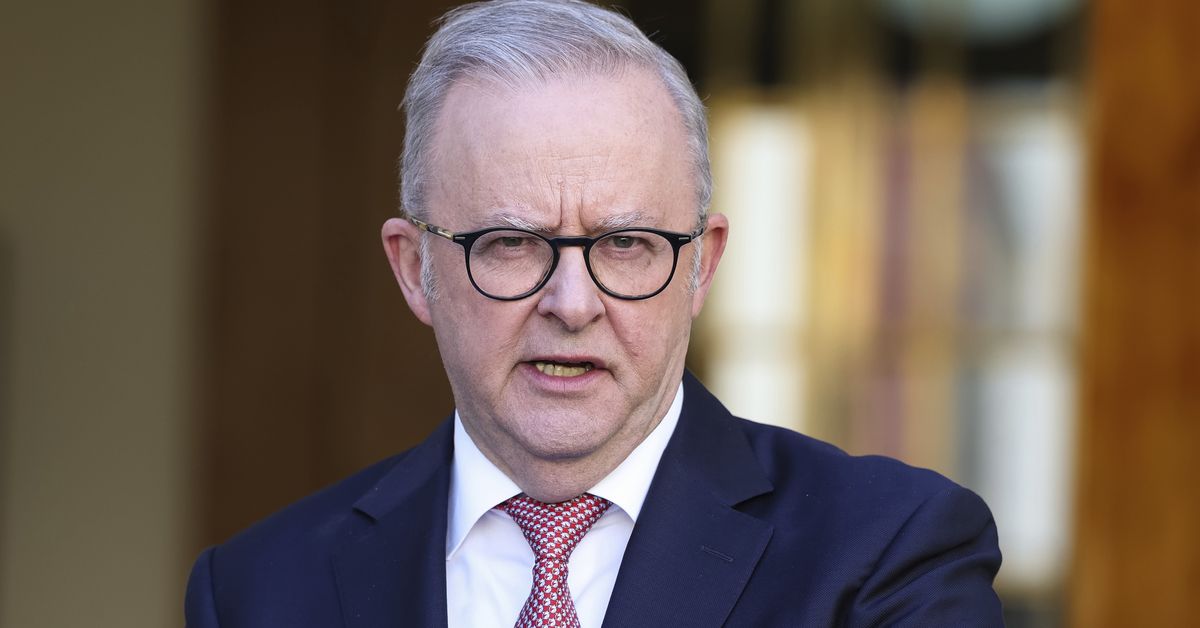
Prime Minister Anthony Albanese emphasised that the efficacy of the nation’s gun laws can be undermined by states with less stringent regulations. The reluctance of Queensland and the Northern Territory to participate, sparked by concerns over a proposed split payment structure and resistance to limits on firearm ownership, poses a significant hurdle for the initiative. Queensland is particularly notable for having the second-highest gun ownership rates in Australia, while New South Wales has the highest concentration of firearms.
In recent responses, Queensland’s opposition leader, Chris Crisafulli, received criticism from Albanese, who argued that rejecting the buyback scheme was not in the interest of Queenslanders or Australians more broadly. The Northern Territory’s Chief Minister, Lia Finocchiaro, expressed that the territory would not support the buyback unless it could avoid bearing the funding burden.
Meanwhile, in Victoria, Premier Jacinta Allan is taking a cautious approach, waiting for an assessment of current gun laws before making any commitments. South Australian Premier Peter Malinauskas has also remained non-committal, having assured local gun lobbyists that he does not intend to tighten gun regulations as the state approaches elections.
On a more positive note, Western Australia has initiated its voluntary firearm buyback scheme, which successfully saw over 83,000 firearms surrendered by late January. Tasmania is also moving forward with a similar voluntary buyback program.
The resistance from Queensland, Northern Territory, and other states jeopardises a crucial aspect of Labor’s comprehensive reforms introduced after a tragic incident on December 15 that claimed 15 lives. To facilitate progress, the Prime Minister has urged states and territories to present their commitments by March, while he aims to initiate legislation by July. The scheme proposes a cost-sharing model between the federal government and states for the collection, processing, and payment of surrendered firearms, with the Australian Federal Police designated to oversee the destruction of the firearms involved.
In summary, the proposed firearms buyback initiative faces significant challenges as various states express reservations, potentially delaying critical legislative reforms designed to enhance public safety.