
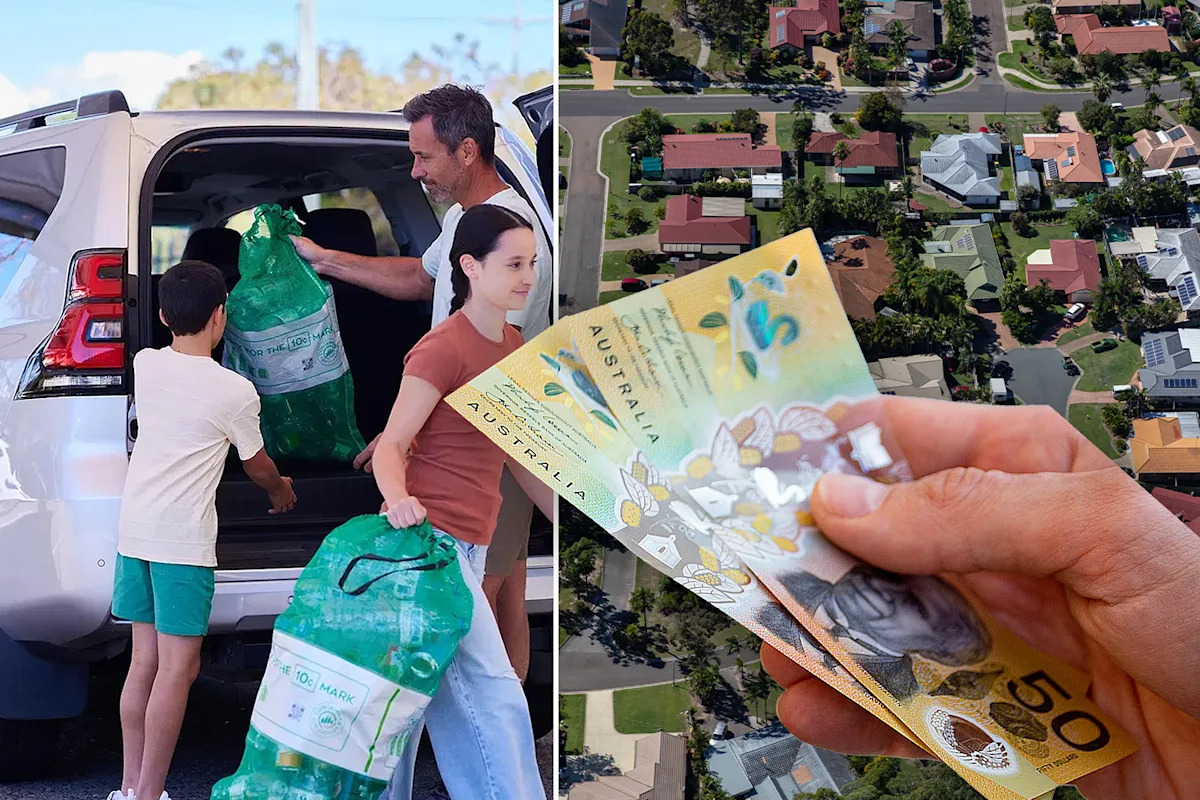
Governments in Australia are facing increasing pressure to implement a straightforward yet impactful change in recycling that could alleviate financial burdens for citizens while positioning the country as a frontrunner in global recycling efforts. The current container deposit return rate, which allows individuals to receive cash for returned bottles and cans, stands at only 68%. In comparison, countries like Germany and Slovakia achieve rates above 90%.
Advocates propose doubling the refund from 10 cents to 20 cents, a move that could potentially increase recycling rates, allowing an additional 2.8 billion containers to be processed annually. Robert Kelman, Director at Reloop Pacific, underscores the dual benefits: not only does increased recycling help the environment, it also provides financial relief for Australians, especially those feeling economic strain.
Research indicates that 65% of respondents believe a higher refund would alleviate their financial pressures, with support reaching 91% among those experiencing significant stress. Furthermore, the initiative could unlock funding for charities, community groups, and sporting organisations.
Kelman shares startling figures: while about 12 billion drink containers are covered by these schemes each year, approximately 4.23 billion still end up in landfills, which could change dramatically with an increased 20-cent refund. This adjustment would not only address environmental concerns but also contribute to reducing landfill waste, cutting down on litter, and promoting a more circular economy.
Supporting evidence from similar initiatives abroad, such as Connecticut’s increase from 5 cents to 10 cents leading to a 50% rise in return rates, suggests that Australia could witness a similar uplift if the refund amount increases. A study reveals that 85% of Australian adults back the proposed 20-cent refund, with 84% indicating they would recycle more in response to the incentive.
The immediate future of this proposal will largely depend on state and territory governments, with advocates urging a pioneering state to take the lead on this redevelopment. The 20 Cents Makes Sense campaign, backed by environmentalists and industry leaders, aims to stimulate discussions with government officials to ensure this change comes to fruition.
In summary, increasing the container deposit refund to 20 cents could significantly enhance Australia’s recycling efforts, provide economic relief for many, and contribute to a more sustainable future. This relatively small alteration has the potential for substantial and lasting benefits for both society and the environment.