
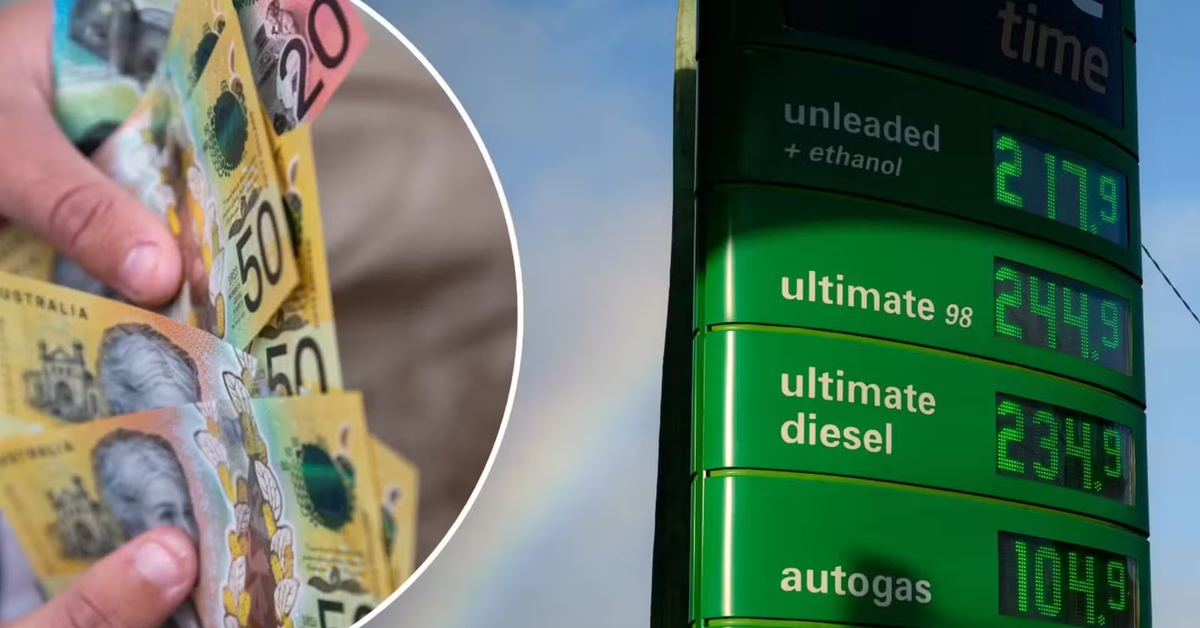
The Australian government has announced a significant reduction in the fuel excise, cutting it in half. This move is expected to bring relief to Australian motorists, as petrol prices have surged in recent weeks due to supply disruptions stemming from ongoing conflicts in the Middle East. The excise adjustment will come into effect immediately on April 1, with Prime Minister Anthony Albanese stating that the change would lower petrol costs by approximately 26.3 cents per litre. Treasurer Jim Chalmers further elaborated that filling a 65-litre tank would become $19 cheaper as a direct result of this reduction.
Despite this temporary relief, the current average price for unleaded petrol sits at about $2.53 per litre, while diesel exceeds $3 per litre, which poses challenges particularly for farmers and the heavy transportation sector. Additionally, to further assist these industries, the government is suspending the heavy vehicle road user charge for the next three months.
Currently, petrol prices are high due to several reasons, chiefly the elevated cost of crude oil, which is around $115 a barrel – a significant increase from previous levels before the Middle East conflict disrupted global oil trade routes. This turmoil has led to increased demand as consumers rush to fuel up, causing shortages at petrol stations across Australia. Reports indicate that many stations have run out of fuel at various times, with some regions facing more acute shortages than others.
While the government’s measures will provide some immediate financial relief, experts warn that the long-term outlook remains uncertain. The sustainability of lower petrol prices hinges largely on the resolution of Middle East tensions and the corresponding fluctuations in global oil prices. NSW Premier Chris Minns has advised citizens to brace for potential ongoing disruptions, highlighting the unpredictable nature of the current situation.
Furthermore, Energy Minister Chris Bowen reassured the public that Australia still has an adequate petrol supply, with about nine days of petrol and 30 days’ worth of diesel and jet fuel available, despite some supply chain challenges. Shipments continue to arrive, with cancelled orders being effectively replaced. As these developments unfold, Australians are urged to stay informed and prepared for any eventualities regarding fuel availability and pricing.