
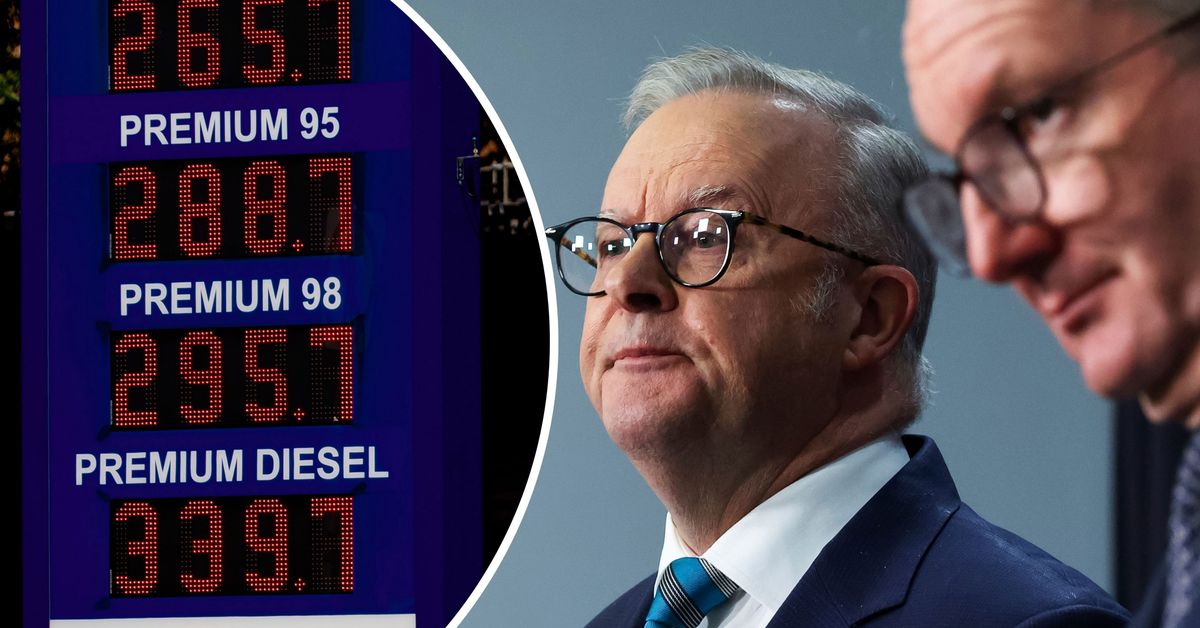
Prime Minister Anthony Albanese is convening a national cabinet meeting today with state and territory leaders to address the growing fuel crisis in Australia. This assembly marks the second such meeting in Canberra since the outbreak of conflict in the Middle East and follows a month of global oil supply disruption sparked by US-led military actions in the region.
Despite government assurances of sufficient reserves, Australia is facing significant shortages of petrol and diesel. Fuel prices have surged, with unleaded petrol exceeding $2.60 per litre and diesel surpassing $3. The government is under pressure to manage fuel distribution and consider measures such as free public transport and encouraging remote work.
Treasurer Jim Chalmers noted the necessity for a unified approach across the country, emphasising the importance of proactive measures to prevent more stringent restrictions reminiscent of those during the COVID-19 pandemic. “The best way to avoid harsher measures is to do that work,” he stated.
Albanese also highlighted the impracticality and potential dangers of stockpiling fuel, likening it to panic buying, which ultimately does not aid the Australian community. Meanwhile, the Australian Chambers of Commerce and Industry (ACCI) has proposed a four-point strategy for remedying the shortage, including collaborating with international partners to secure petrol supplies and expediting fuel distribution.
Additionally, the ACCI has urged the government to lower the heavy vehicle road user tax to ease financial strain on transport businesses. Energy Minister Chris Bowen is set to introduce new legislative powers permitting the government to underwrite fuel costs, enabling it to support suppliers financially to boost supply levels in Australia.
The government is actively engaging with both domestic and international fuel providers to secure the necessary cargoes to ensure Australian access to fuel continues uninterrupted.