
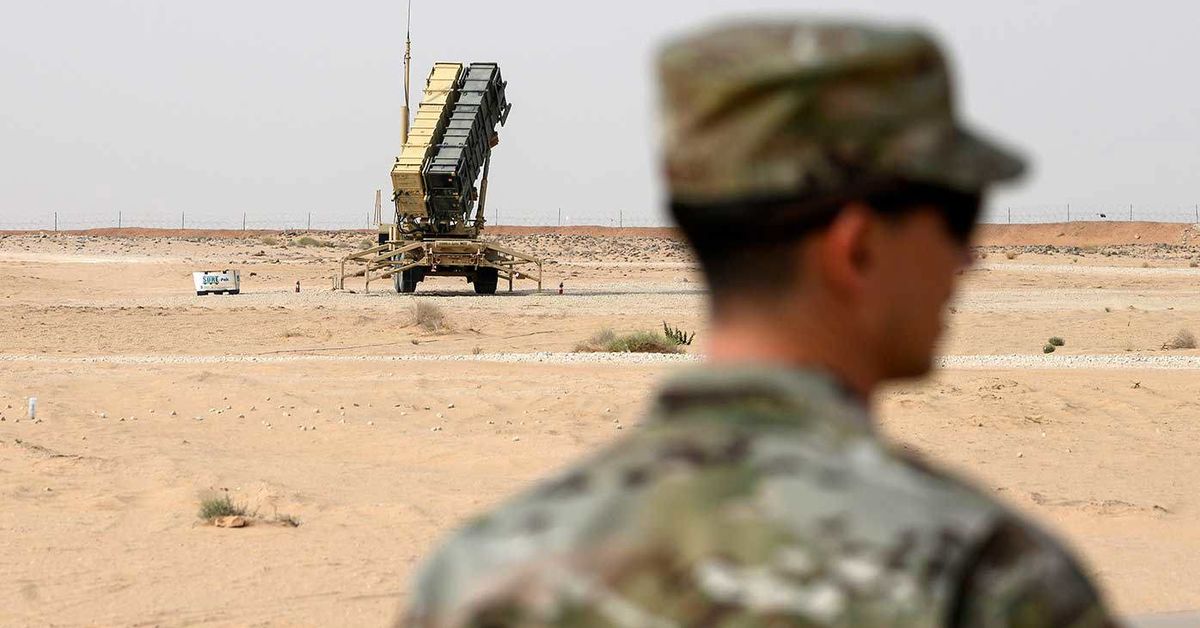
On 27 March 2026, an Iranian missile strike on the Prince Sultan Air Base in Saudi Arabia resulted in injuries to at least ten US service members, including two who were seriously hurt. This assault also caused damage to multiple US refuelling aircraft, according to undisclosed US officials.
The attack, which involved both missiles and drones, occurred shortly after President Donald Trump claimed that Iran had been “obliterated,” and Defence Secretary Pete Hegseth stated that Iran’s military had been “quickly and effectively neutralised.” The month-long conflict has seen over 300 US service members injured, with the majority returning to duty, although ten remain seriously wounded.
This incident marks the second attack on the Prince Sultan Air Base, following a fatal incident on 1 March where Army Sergeant Benjamin N. Pennington succumbed to injuries from a prior assault, contributing to a total of 13 US fatalities in the ongoing hostilities. Satellite images circulating online suggested damage to the aircraft involved.
In response to the escalating situation, the Trump administration proposed a comprehensive 15-point ceasefire plan, with Pakistan potentially acting as a mediator. Meanwhile, Iran has denied any current negotiations, yet it is exerting control over the Strait of Hormuz, impacting global fuel prices and economic stability. Interestingly, Tehran has recently agreed to facilitate humanitarian aid and agricultural shipments through this vital waterway.
Amid discussions of ceasefire, the Pentagon is preparing to deploy an extra 1,000 troops from the 82nd Airborne Division to the region, a unit skilled in rapid deployment to secure key installations. Additionally, two Marine units are being sent, bringing around 5,000 Marines and sailors to bolster US forces in the Middle East.