
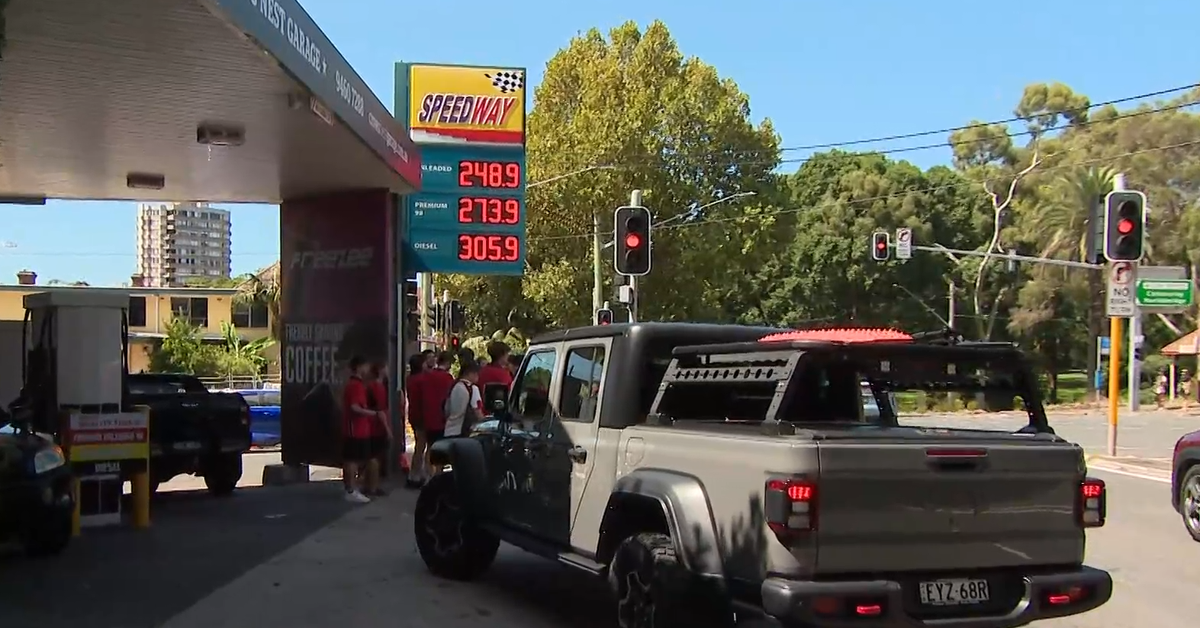
The recent strife in Australia’s fuel market, due to soaring petrol and diesel prices, is causing significant economic concern, equating to the impact of three interest rate hikes, according to economists. This inflation surge is estimated to be around 5% or higher, complicating ongoing fiscal policies. Despite alarming reports of fuel shortages affecting approximately one in twelve service stations, the federal government has dismissed rationing plans for now.
Economist Chris Richardson emphasised that the drastic increase in fuel costs could influence the Reserve Bank’s monetary policy, particularly for those Australians who have limited options to mitigate rising expenses. Currently, over 600 service stations across the country are experiencing shortages, exacerbating public concern over fuel access.
In a bid to alleviate the situation, Energy Minister Chris Bowen announced alternative fuel supplies, including additional deliveries scheduled for the upcoming months. While some political figures such as Pauline Hanson advocate for declaring a liquid fuel emergency—potentially enacting rationing—Prime Minister Anthony Albanese countered these suggestions, asserting that local governments should manage fuel distribution effectively.
A systematic approach is being developed, with state and federal governments coordinating a national website to track fuel availability, aimed at better informing communities about service station outages. NSW Premier Chris Minns has established an operations centre tasked with monitoring fuel distribution and ensuring that supplies reach the areas of greatest need.
The shortages could increasingly affect essential services, with waste collectors expressing their worrying situation due to dwindling fuel supplies. If the current trends persist without resolution, they may need to prioritise which areas receive waste collection services.
Consumers are already feeling the financial strain as rising fuel costs lead many businesses, including Australia Post, to increase surcharges on their services. This upward trend in cost is likely to ripple through to major retailers who will subsequently pass these increased expenses onto consumers. The situation is delicate, and while some fuel is beginning to trickle back into circulation, notably less fuel remains available for diesel vehicles, highlighting the ongoing precariousness of Australia’s fuel supply chain.