
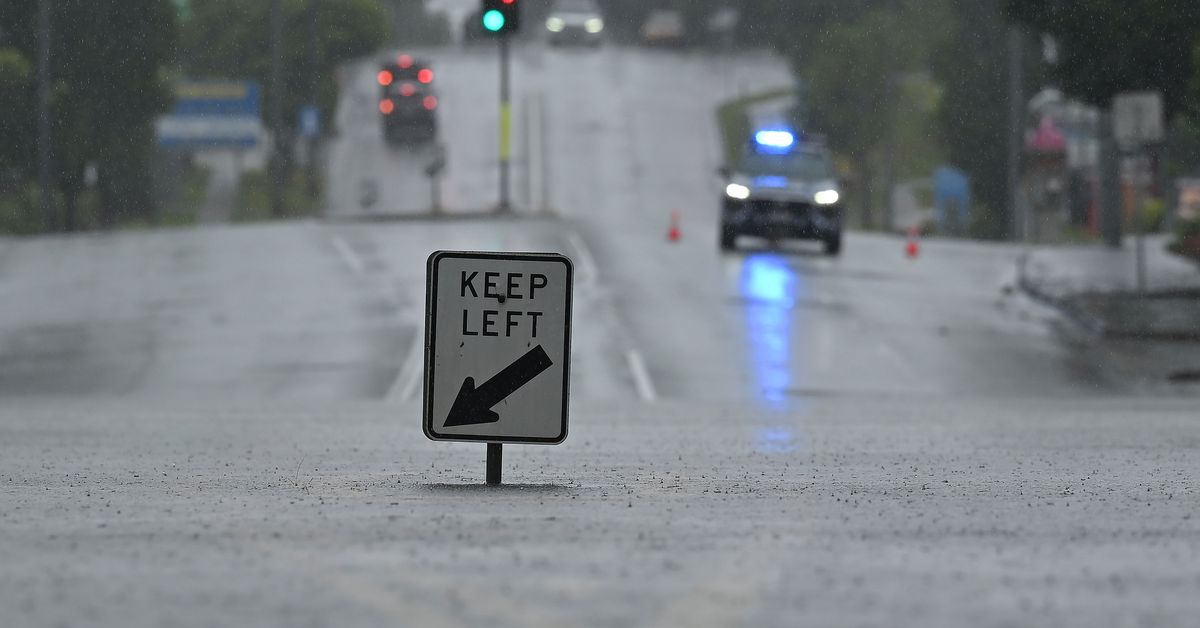
Approximately 1,800 individuals in New South Wales remain stranded due to ongoing heavy rainfall, according to the state’s SES. An additional 18,500 people are advised to prepare for evacuation, while around 20,300 are currently under evacuation orders.
Major flooding has been noted along the Clarence River, prompting emergency warnings for residents of Carrs Island, Grafton, as well as downstream areas including Harwood, Chatworth, Warregah, and Goodwood Islands. Those living on these islands will face isolation until floodwaters subside.
In the Richmond River region, residents in Bungawalbin have been warned that it’s too late to evacuate, advising them to move to higher ground as significant flooding occurs. Coraki is also experiencing severe flooding conditions.
The rainfall has been particularly intense in Queensland and the Tweed Valley overnight, resulting in rising water levels across the impacted areas, with predictions of continued rainfall until at least Monday, particularly affecting Tumbulgum. Those residing in Tumbulgum were advised to vacate four days prior and should refrain from returning until it’s safe.
Further south, the Macleay River is expected to reach moderate flood levels at Kempsey and Smithtown, with local residents being urged to prepare for possible evacuations. Additional isolation risks have been noted for residents of Hat Head, Crescent Head, and South West Rocks as floodwaters affect accessibility.
Additionally, a flood watch has been issued for minor flooding across the north-west and central-west regions of the state. Minor flood risks are identified along various rivers, including the Upper Macintyre, Gwydir, Macintyre, Peel, Namoi, and Castlereagh Rivers. In response, the NSW SES has deployed flood rescue boats and personnel to key locations deemed at high risk.