
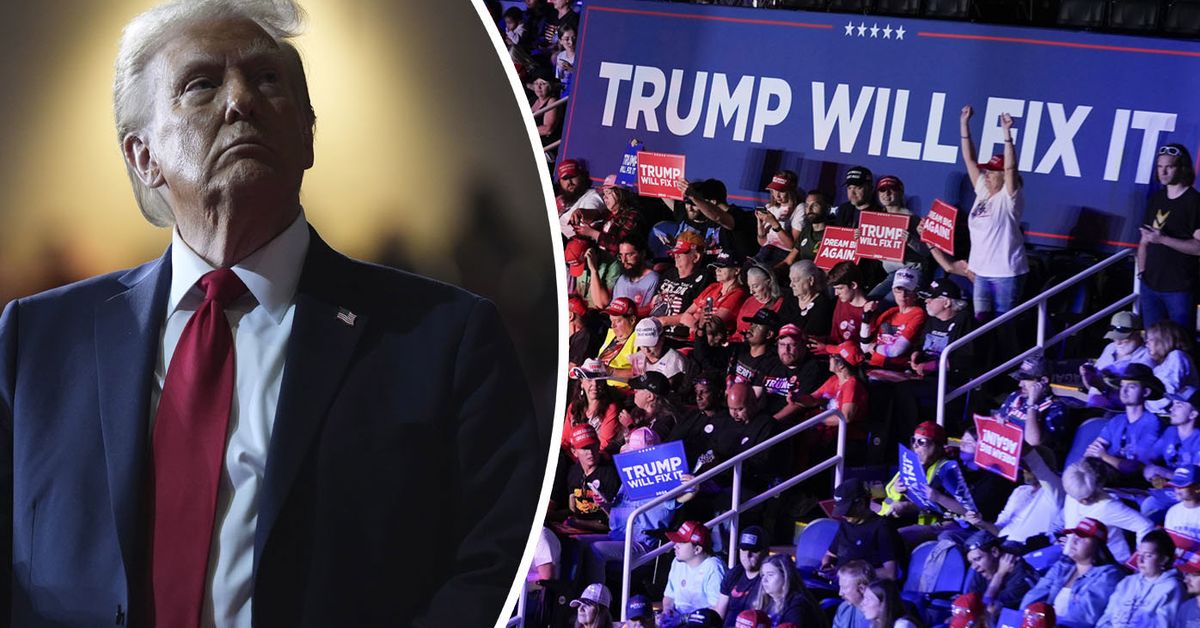
Voter dissatisfaction with soaring inflation significantly contributed to Donald Trump’s return to the White House, as he vowed to restore more favourable economic conditions akin to his first term. His rallies featured slogans like “Trump will fix it,” aimed at addressing rising living costs. However, economists warn that Trump’s policies could exacerbate inflation and negatively impact US growth. A recent open letter from 16 Nobel laureates cautioned that his economic strategies could have lasting repercussions, citing potential global trade wars and substantial tariffs on imports, particularly from China.
Trump’s proposed tariffs—ranging from 10% to 20% on various imports and as high as 60% on Chinese goods—might elevate local consumer prices, contradicting his assertions that foreign producers would bear the costs. Analysts believe these broad tariffs could fuel inflation, especially when combined with his immigration policies and extended tax cuts.
For Australian consumers, while domestic inflation is returning to target, the possibilities of higher prices from increased US tariffs remain a concern, particularly with China’s influence as Australia’s largest trading partner. Yet, experts suggest that Australia’s economy may not be significantly impacted in the short term, as local inflation stems more from domestic factors rather than US policies. Nonetheless, the overall economic landscape remains uncertain, emphasising caution in predictions regarding Trump’s potential second term impacts.