
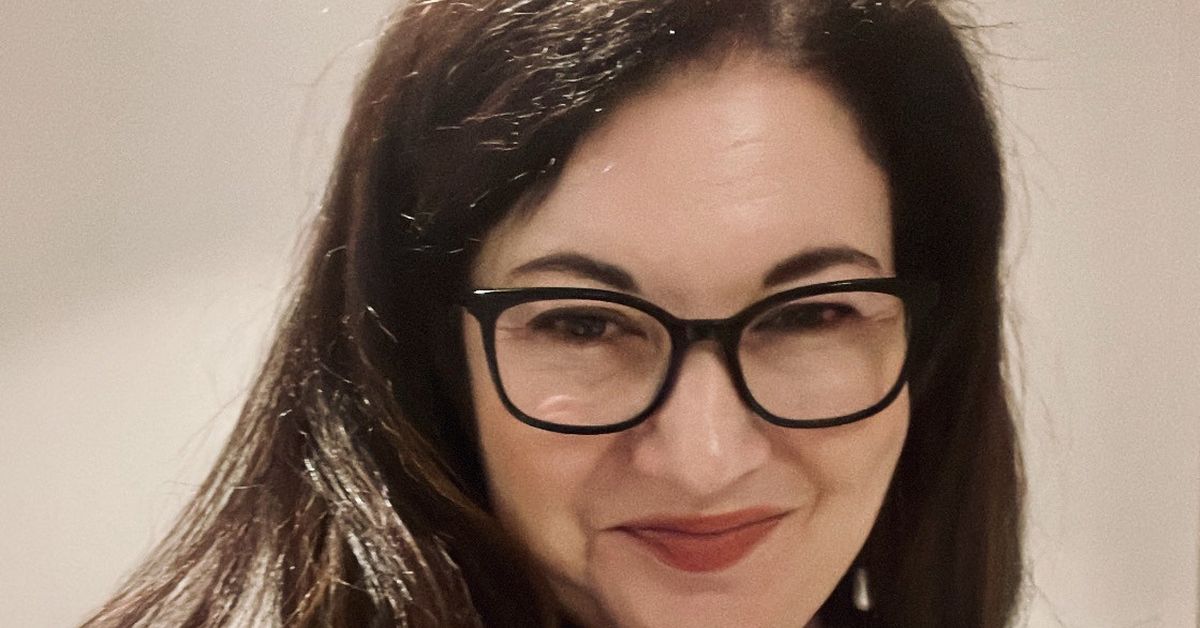
Natasha Ciesielski experienced redundancy twice within eight years, prompting her to seek alternative career paths beyond traditional employment. After her first redundancy from Canon in 2018, which left her emotionally shattered, she took several months to secure a new position. A former marketing manager and writer, Ciesielski resolved to diversify her interests, developing side projects in writing, wine studies, and yoga instruction. She aimed to prevent further emotional distress by creating additional income streams.
Her more recent redundancy earlier this month from American Express was met with less devastation, thanks to her previous experiences and the financial safety nets she had established. Although income from her side pursuits varied significantly, Ciesielski appreciated the mental security they provided. Following her first redundancy, she learned the importance of seeking support and took proactive steps to manage her finances, such as negotiating bills and cancelling unnecessary subscriptions.
Ciesielski now focuses on crafting her ideal lifestyle rather than rushing back into a full-time role. She prefers to explore project-based or contract work, enjoying the space to invest in her interests. Her situation resonates with many Australians, as recent statistics reveal that around 268,000 people faced redundancy in 2025, the highest rate since the end of the COVID-19 pandemic.
Karlie Cremin, CEO of Dynamic Leadership Programs Australia, emphasises the need for job seekers to remain open-minded about their employment options, suggesting that taking “good enough” roles may be necessary amidst economic pressures. Cremin aligns with Ciesielski’s perspective that one’s job should not define their identity, advocating for self-reflection on the nature of work in times of change.
Ultimately, Ciesielski’s narrative serves as a reminder that while job loss can be deeply impactful, it can also catalyse personal growth and a reimagining of one’s career and life goals.